Is Italian Food Healthy? A Nutritionist’s Guide to Ordering
Quick answer: Italian food isn’t automatically healthy or unhealthy — it depends on the portion, the sauce, and what arrives with the pasta. A tomato-based dish with a salad and some protein is a balanced meal, while a large plate of creamy pasta with free bread, extra cheese, and dessert can easily reach 1,200-1,500 calories.
So, is Italian food healthy? It can be, and the difference usually comes down to a few ordering choices rather than to pasta itself.
This guide explains what makes some Italian meals heavy, how common dishes compare, which proteins to choose, and how to order at an Italian restaurant without feeling like you’re missing out.
Is Italian Food Healthy? The Short Answer
Italian cooking has plenty to recommend it: tomato sauces, vegetables, fish, beans, olive oil, and simple ingredients. The same menu, however, also includes cream sauces, baked dishes covered in cheese, breaded and fried items, and large plates of pasta.
That is why people disagree so strongly about it. Some call Italian food one of the healthiest cuisines, others call it heavy and greasy, and both can be right depending on what is ordered. As with the cuisines in our guides to Thai food and Indian food, the honest answer is that the dish and the portion matter more than the cuisine.
What Makes Italian Food Heavy: The Common Mistakes
- A very large portion of pasta. A restaurant plate often holds two to three cups of cooked pasta, plus oil and grated cheese on top.
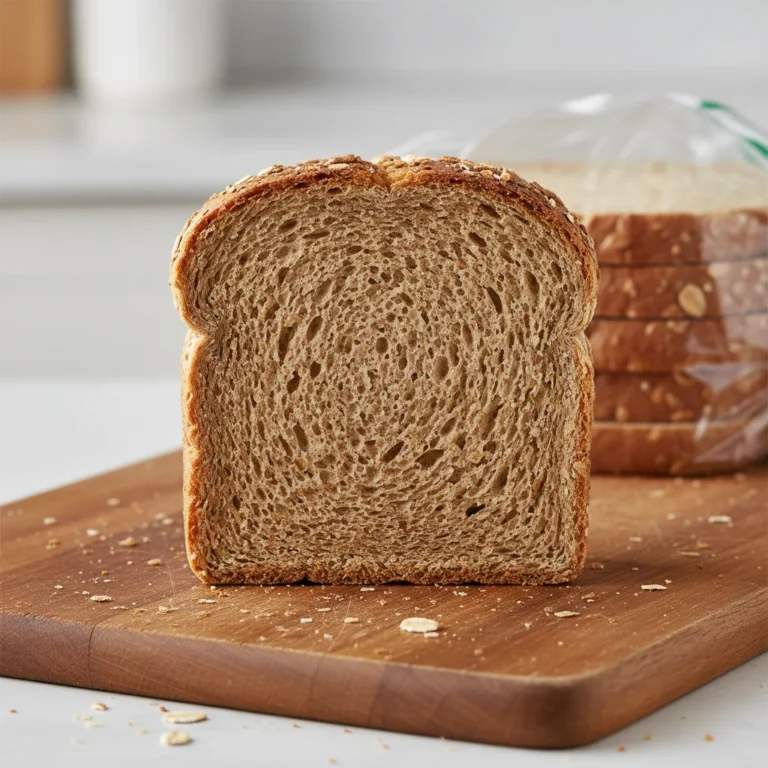
- Bread before the meal. Free bread with butter or oil adds calories before the food even arrives.
- Rich sauces and extra cheese. Cream, butter, and double cheese raise the fat content quickly.
- Stacking courses. An appetizer, a large main, and dessert together can double a normal meal.
- Breaded and fried dishes. Chicken parmigiana, for example, combines breading, cheese, and often a side of pasta.
- Sweet drinks and large pours of wine. These add calories that don’t show up on the plate.
Most of these have nothing to do with carbohydrates as such. The meal gets heavy because of extra fat, cheese, and several portions combined.
Calories in Common Italian Dishes
These figures are approximate because restaurants vary a lot in portion size, oil, and cheese. For reference, a cup of cooked spaghetti is about 221 calories according to USDA FoodData Central, and plain canned tomato sauce adds about 30 calories per half cup (USDA entry). Jarred marinara or spaghetti sauce is usually closer to 40-50 calories per half cup.
| Dish | Typical Restaurant Estimate | What Drives the Number |
|---|---|---|
| Spaghetti with tomato sauce | 500-800 calories | Portion size: a restaurant plate often holds 2-3 cups of pasta, plus parmesan and oil. |
| Fettuccine Alfredo | 800-1,300 calories | Butter and cream. A home-sized cup is often estimated at roughly 410-450 calories, but restaurant portions are larger and richer. |
| Chicken parmigiana | 700-1,100 calories | Breading, cheese, and often a side of pasta. A restaurant portion of the chicken alone is often estimated at roughly 500-550 calories, and much more with the pasta. |
What I Tell Clients
The most common mistake isn’t the pasta itself, but the quantity and the combination. Clients often order a large portion of pasta, bread before the meal, a rich sauce or extra cheese, and then dessert — and then conclude that “carbs” are the problem. In reality, the meal has easily become 1,200-1,500 calories because of extra fat, cheese, and multiple portions.
You don’t need to avoid an Italian restaurant. Choose one main dish, add vegetables and protein, and keep the cheese and bread as a treat rather than an automatic extra.
— Chloe MacAllister, Certified Sports Nutritionist
The Best Protein Choices at an Italian Restaurant
| Option | Why | How to use it |
|---|---|---|
| Fish (baked or grilled) | Gives protein with less saturated fat. | First choice, with a salad or vegetables. |
| Chicken | Excellent, as long as it isn’t breaded and covered in cheese. | Grilled chicken with a tomato or vegetable-based sauce. |
| Beans, lentils, chickpeas | Fiber and plant protein. | Soups, salads, and sides. |
| Cheese | Adds flavor, but it’s more of an add-on and a source of fat than a main protein. | Use a smaller amount. |
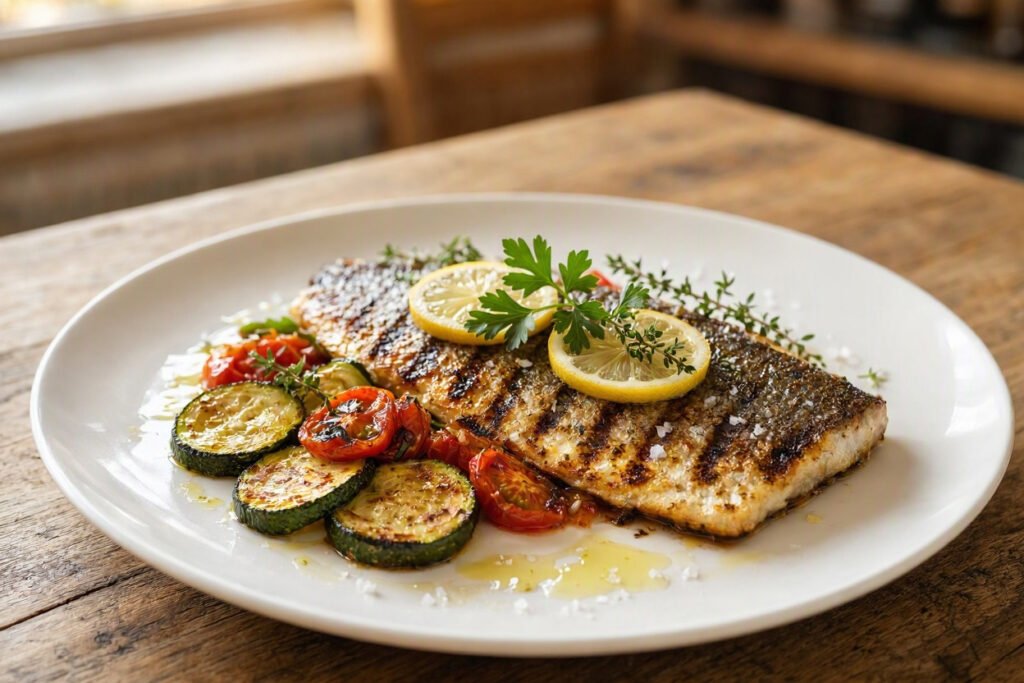
Fish is my first choice, especially baked or grilled, because it gives you protein with less saturated fat. Chicken is excellent if it isn’t breaded and covered in cheese. Beans, lentils, and chickpeas are great for fiber and plant protein. I love cheese, but I treat it as an extra rather than my main protein source, and I use it in smaller amounts.
How to Order Italian Food Without Overdoing It
Choose:
- One main dish — pasta with tomato sauce, fish, chicken, or pizza — plus a salad or vegetables.
- A tomato or vegetable-based sauce instead of cream, butter, or a lot of cheese.
- A smaller portion, or sharing, for rich dishes like fettuccine Alfredo, lasagna, or pizza with several cheeses.
- Water with the meal. If you’d like wine, one glass with the meal rather than with bread, an appetizer, and dessert.
Avoid or limit:
- Free bread with butter.
- Double cheese, cream, and a lot of oil.
- Sweet drinks.
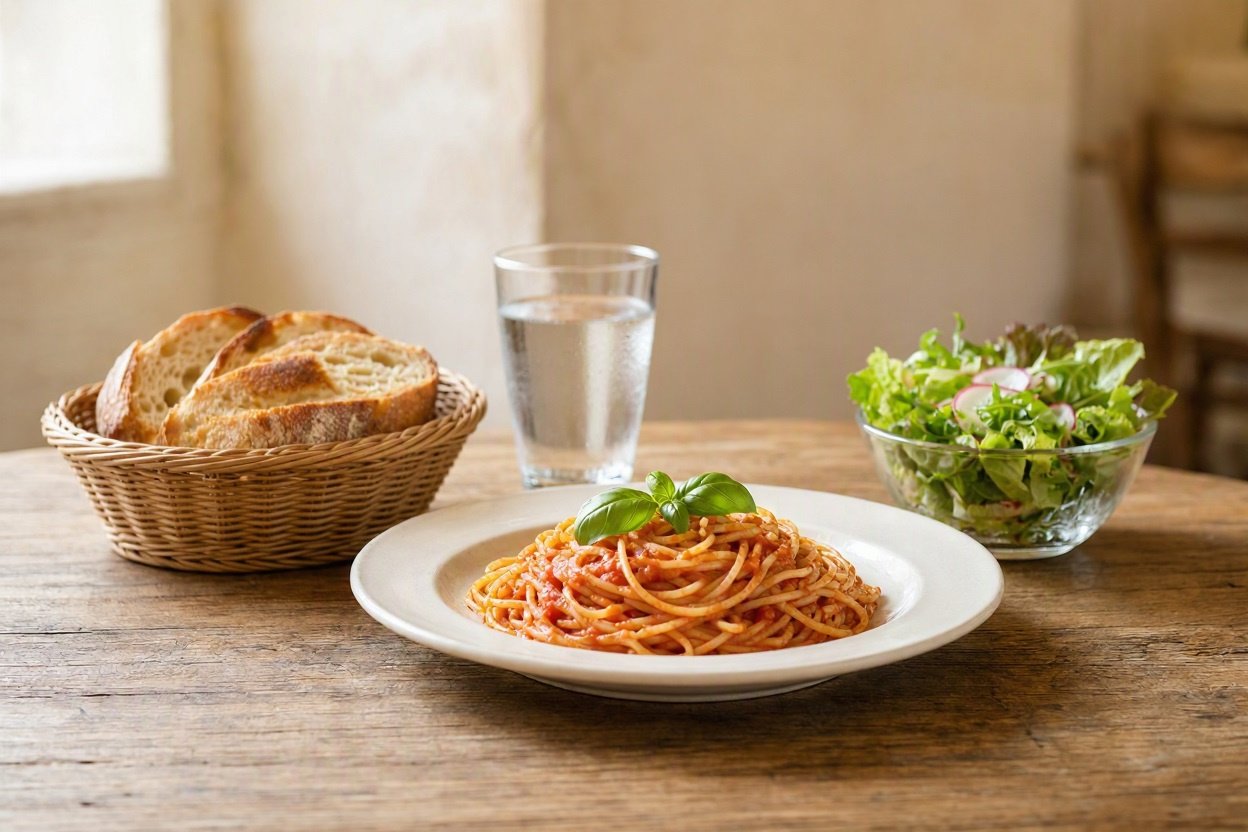
Best choice: grilled fish or chicken, a salad, and a small portion of pasta with tomato sauce.
A good compromise: spaghetti with tomato sauce and a salad, with chicken or shrimp added for protein.
If you want the Alfredo or the parmigiana: share the dish, skip the bread and dessert, and don’t add more cheese or cream.
Italian Pasta Sauces, From Lighter to Richer
When you’re deciding whether Italian food is healthy, the sauce is the part that changes most from dish to dish. Roughly from lighter to richer:
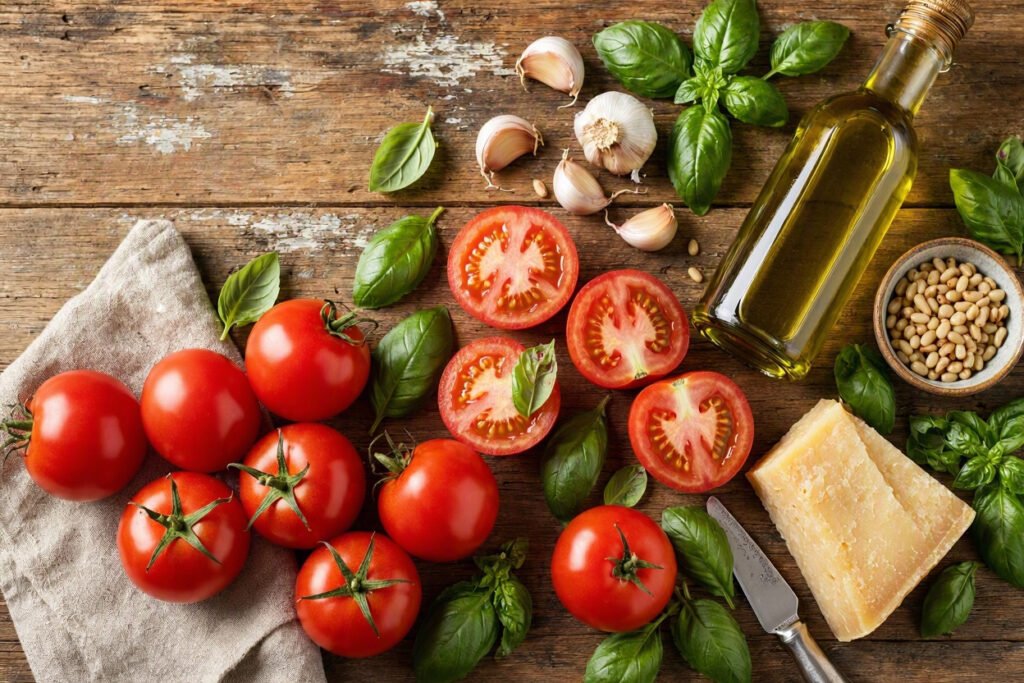
- Marinara, pomodoro, and arrabbiata. Tomato-based and the lightest of the group. Arrabbiata simply adds chili for heat.
- Aglio e olio. Garlic, chili, and olive oil. Olive oil is a healthy fat, but it is calorie-dense (a tablespoon has well over 100 calories), so how much ends up on the plate matters.
- Ragù and bolognese. Tomato with meat. Heavier than plain tomato sauce, though the amount of meat and oil varies a lot.
- Pesto. Basil, olive oil, cheese, and nuts. Full of flavor and very concentrated, so a little goes a long way.
- Carbonara. Traditionally made with eggs, cheese, and cured pork. It is rich either way, and some restaurants add cream.
- Alfredo and other cream sauces. Butter, cream, and cheese, which makes them the richest option on most menus.
Pizza Without Overdoing It
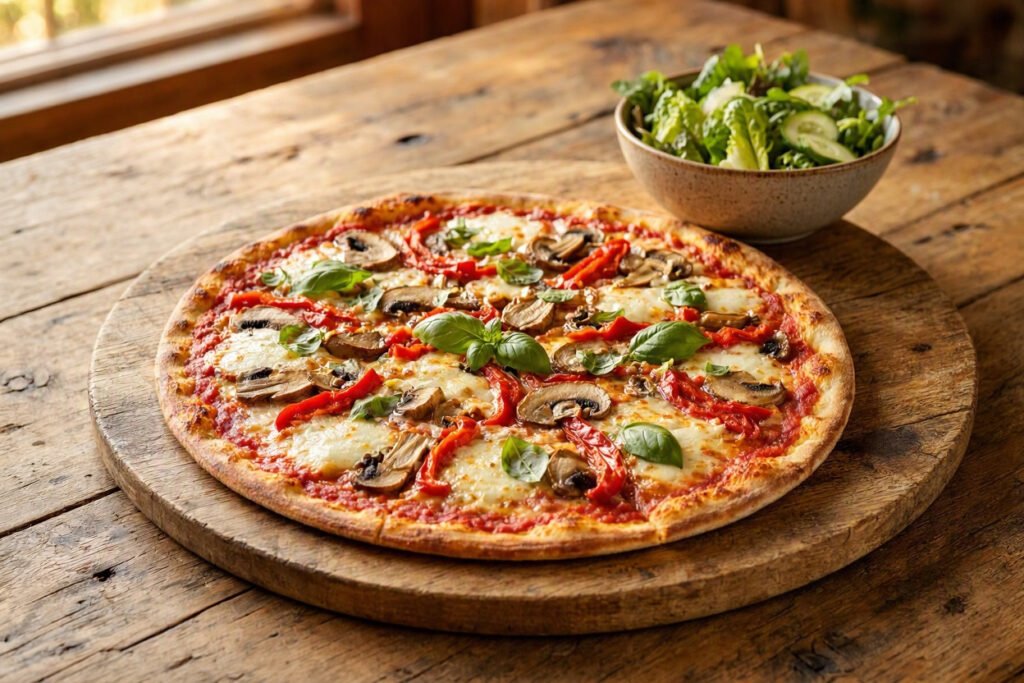
So, is Italian food healthy when pizza is on the table? It can be, but pizza is the dish where the “one main dish” rule is easiest to forget. A whole pizza, breadsticks, and a sweet drink add up to several mains in one meal.
- A thin crust usually has fewer calories than a thick or deep-dish crust.
- Vegetable toppings such as peppers, mushrooms, spinach, and onions add volume and fiber, while extra cheese and processed meats like pepperoni and sausage add fat and salt.
- A couple of slices with a side salad make a more balanced plate than pizza with breadsticks or garlic bread.
- Sharing a pizza, or taking leftovers home, keeps the portion in check.
Starters, Soups, and Salads
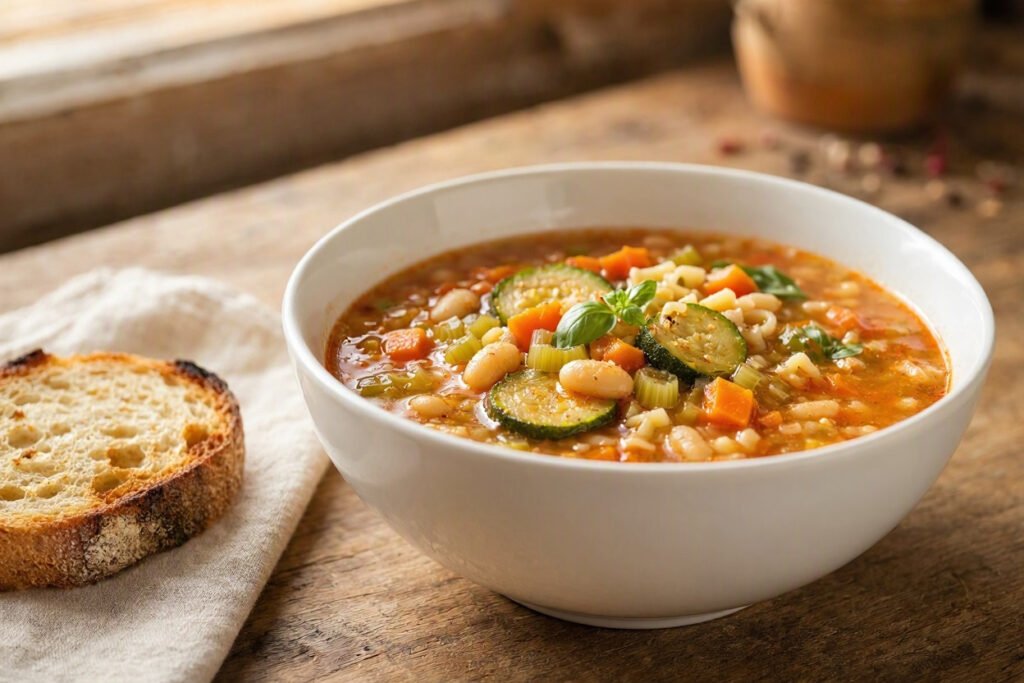
A starter isn’t a problem when it replaces something rather than adding to it. Lighter choices include minestrone and other bean or vegetable soups, a simple green salad, or a shared plate of tomato and mozzarella. Heavier ones include fried calamari, mozzarella sticks, and garlic bread with melted cheese. If you want a starter, make it a soup or a salad and keep the main dish smaller, so you still end up with one main course.
Dessert, Coffee, and Wine
Tiramisu, cannoli, and gelato are part of the experience, and there is no need to skip them. The simplest approach is to share one dessert among the table or order a small scoop of gelato or sorbet. An espresso is a lighter finish than a dessert plus a sweetened milky coffee. Alcohol adds calories too, which is why a single glass of wine with the meal is easier to fit into a balanced day than several.
Italian Food Without Pasta
If you’d rather skip pasta, Italian menus have plenty to offer. Good options include:
- Grilled or baked fish with vegetables or a salad.
- Chicken that isn’t breaded, with a tomato-based or lemon-based sauce.
- Soups built on beans, lentils, or vegetables.
- Salads and grilled or roasted vegetable sides.
Ask how a dish is prepared, since sauces and toppings change the calories more than the main ingredient does.
Cooking Italian at Home: Getting the Portion Right
At home, the biggest lever is the same as at a restaurant: portion size. Most boxes list a serving as 2 ounces (56 g) of dry pasta, which cooks to roughly a cup, but check the label of the brand you buy. A few habits make home cooking lighter without making it boring:
- Measure the dry pasta once, so you know what a serving looks like on your plate.
- Fill about half the plate with vegetables, either mixed into the sauce or served on the side.
- Add protein to the dish itself, such as chicken, shrimp, or white beans.
- Measure olive oil and cheese instead of pouring them, since both are easy to overdo.
Italian Food and the Mediterranean Pattern
Much of Italian home cooking overlaps with the Mediterranean eating pattern, which Mayo Clinic describes as centered on vegetables, fruits, whole grains, beans and other legumes, fish, and extra virgin olive oil as the main fat. A restaurant menu with larger portions, cream sauces, and a lot of cheese is a different pattern, which is why “Italian” on the menu doesn’t automatically mean “Mediterranean” on the plate.
Gluten and Salt: Two Practical Notes
Pasta, bread, and pizza dough contain gluten, so people with celiac disease or gluten sensitivity should ask about gluten-free options and about cross-contamination in the kitchen. Cured meats such as prosciutto, salami, and pancetta, aged cheeses, and some jarred sauces can also be high in sodium. If you’ve been advised to limit salt, ask your doctor or dietitian what that means for your orders.
Frequently Asked Questions
What is the healthiest Italian dish to order?
Grilled or baked fish, or chicken that isn’t breaded, with a salad or vegetables, and a small portion of pasta with tomato sauce if you want pasta. Beans, lentils, and chickpeas add fiber and plant protein.
Is pasta fattening?
Pasta isn’t fattening on its own: a cup of cooked spaghetti is roughly 220 calories. What raises the total is the portion size, cream and cheese sauces, bread before the meal, and dessert.
Is Italian food healthier than Italian-American food?
Not always. Healthiness depends on the dish rather than the label. Restaurant menus often include larger portions, more cheese, and cream sauces, but tomato-based, fish, and vegetable dishes are available on most of them.
Can you eat Italian food without pasta?
Yes. Grilled fish, chicken that isn’t breaded, bean or vegetable soups, salads, and roasted vegetables are all good options on an Italian menu.
Is Italian food good for weight loss?
It can fit into a weight-management plan. Choose one main dish, pick a tomato-based sauce, add vegetables and protein, share rich dishes, and treat bread and cheese as extras rather than automatic additions.
The Bottom Line
Is Italian food healthy? It can be. The cuisine gives you tomato sauces, fish, beans, vegetables, and olive oil, and it also gives you cream sauces, free bread, extra cheese, and large plates of pasta on the same menu. Choose one main dish, add vegetables and protein, and keep the cheese and bread as a treat, and Italian food fits comfortably into a balanced diet. For a full week of balanced meals, see our healthy diet plan to lose weight.
This article is general information, not personal medical or dietary advice. If you have a medical condition or follow a medically prescribed diet, talk to your doctor or a registered dietitian.