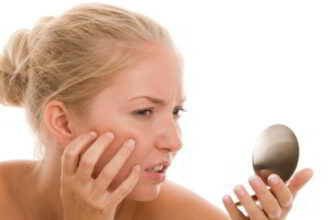


Learning how to keep your skin clear and healthy requires understanding proper skincare habits and lifestyle choices. Smooth and healthy skin is something many people want to achieve. Marks that appear on the face such as dark spots, acne, patches, or discoloration often cause embarrassment. This can lead to reduced self esteem especially in young people.
Understanding the causes of skin problems and following the right skincare habits can help improve your skin. Below are 10 proven tips to help you keep your skin clear and healthy.
Maintaining a clear skin routine and building healthy skin habits can make a noticeable difference over time. A consistent skincare routine for clear skin helps balance oil production, prevent clogged pores, and support long-term skin health.
Tip 1: Understand What Causes Unclear Skin
Unclear skin can be caused by pimples, blackheads, acne, cuts, burns, and other skin conditions. Some occur as indicators of infection in the body. Others may occur as reactions to skincare products or diet.
Some of the causes of dark spots on the face are: Excessive production of melanin, long exposure to the elements, hormone imbalances, stress, aging, nutritional deficiencies, medications, and pregnancy. To learn how to keep your skin clear and healthy without pimples, you can use elimination methods to identify possible causes.
There are simple home remedies that may help manage this problem. Many of them are highly effective and others are moderately able to reduce the appearance of uneven skin tone and black spots.
Your skin can sometimes reflect underlying health or lifestyle issues. Breakouts, dryness, or irritation may be linked to excess oil production, bacteria buildup, hormonal changes, stress, or poor skincare habits. Paying attention to these signs can help you adjust your routine and improve overall skin health.
While there is no one-size-fits-all skincare solution, following simple and consistent habits can significantly improve your skin’s appearance and help keep it clear and healthy. Below are practical steps you can include in your daily skincare routine.
Tip 2: Cleanse Your Skin Properly
Cleansing is the first step in any skincare routine, even for people with naturally smooth skin. Use gentle alcohol-free products to avoid drying your skin.
Cleansing helps remove makeup and dirt, allowing your skin to breathe. This should be repeated twice a day to remove impurities, makeup, dirt, and excess oil while allowing the skin to breathe. Always use mildly warm water in order to remove all traces of dirt.
Using a gentle cleanser designed for your skin type helps remove dirt, oil, and environmental pollutants that may contribute to breakouts and dull skin.
Tip 3: Exfoliate Weekly
Exfoliate your skin at least once a week to deeply cleanse it and dislodge impurities that are trapped in the pores. This process opens up the pores to completely remove any dirt that is trapped in. You can use a facial scrub, a soft washcloth, or dermatologist-approved exfoliating products. Do not use a loofah or exfoliating glove on your face.
Tip 4: Steam Your Skin Occasionally
Steaming is a process of deeply cleansing your skin. It goes deeper than the normal cleansing and can be done occasionally depending on your skin type. It is a process that helps to detoxify the skin, open pores and allow the skin to take in moisturizing agents.
Tip 5: Use Toner to Balance Skin
Toning reduces the size of your pores. Enlarged pores are a common skincare concern because they can affect skin texture and appearance. They are mostly caused by the dirt and dead skin that gets in them. Once you have cleansed out the dirt, toning helps the skin to get back in shape. Use a toner from the same line as your facial scrub and cleanser.
Following a daily skincare routine for clear and healthy skin helps maintain balance and prevents common skin problems before they start.
Tip 6: Moisturize Daily
Cleansing and exfoliating will remove most of the natural oils on your skin. Before your face dries completely, use a gentle moisturizer to seal up your moisture. Do not use unhealthy products such as petroleum jelly because they can clog your pores and trap acne causing bacteria. There are moisturizers available for all skin types including oily skin.
Tip 7: Treat Acne Early
If you have acne or see the development of pimples on your face, use gentle acne treatments or dermatologist-recommended products before breakouts worsen. During this time, avoid makeup as it may irritate pimples and prolong breakouts. Use gentle products on skin that have soothing properties. Choose vitamin make up that will also nourish your skin.
Tip 8: Protect Your Skin From Environmental Damage
Sun protection is an important part of the skincare routine because it also protects against harmful elements such as wind and frost. Avoid touching your face with your hands particularly if you are sweaty as this could transfer bacteria on to your face. Hands and feet are some of the largest carriers of bacteria and germs on the human body. Be careful with what you apply on hair as it might also get into contact with your face.
Tip 9: Eat a Healthy Skin-Friendly Diet
You are what you eat – this is a well known fact. Your body needs nutrients, and what you eat provides the nutrients your skin cells need to function properly. Your body needs proteins, vitamins and carbohydrates for proper functioning. Failure to eat the required nutrients will contribute to your skin looking unhealthy.
Some studies suggest that high consumption of dairy products may contribute to acne in certain individuals. It is best also to avoid meals that are high in fat, sugar, or refined foods.
Incorporate fresh fruits and vegetables into your diet. Certain fruits such as pineapples, apples, oranges etc are well known to aid in better skin health. Recommended vegetables include cucumber, carrots etc. Some natural ingredients from fruits may support skin health, but skincare products formulated for specific skin types are often safer and more effective.
Lifestyle factors such as stress levels, sleep quality, and daily habits can also influence skin clarity and overall skin appearance.
Tip 10: Stay Hydrated
Water doesn’t detox toxins directly — liver/kidneys do. Proper hydration is an important factor in reducing the occurrence of pimples. Drinking enough water plays an important role in overall skin health. It helps maintain skin hydration and supports overall skin function. Proper hydration may help improve skin appearance and elasticity.
Many health guidelines suggest drinking about 6–8 glasses of water daily. If your skin is well hydrated, it becomes less conducive for the development of pimples. It also helps the old skin to be shed and develop a new skin faster.
Combining proper skincare techniques with healthy daily habits is one of the most effective ways to support long-term skin clarity and skin health.
Final Thoughts
Maintaining clear and healthy skin requires consistency and proper skincare habits. Following these tips can help you learn how to keep your skin clear and healthy and support long-term skin health. A balanced diet, hydration, and proper skincare routine all play important roles in keeping your skin healthy.
Frequently Asked Questions
How often should I cleanse my face?
Most people benefit from cleansing their face twice daily — once in the morning and once before bedtime. This helps remove dirt, oil, and impurities that can clog pores and lead to breakouts.
How often should I exfoliate my skin?
Exfoliating once or twice per week is generally recommended for most skin types. Over-exfoliating can irritate the skin and may cause redness, dryness, or breakouts.
Can diet really affect skin health?
Yes. A balanced diet rich in vitamins, antioxidants, and nutrients helps support skin repair and overall skin appearance. Limiting excessive sugar and highly processed foods may also help reduce breakouts for some people.
Is moisturizer necessary if I have oily skin?
Yes. Using a lightweight, non-comedogenic moisturizer helps maintain skin balance and prevents excessive oil production.