

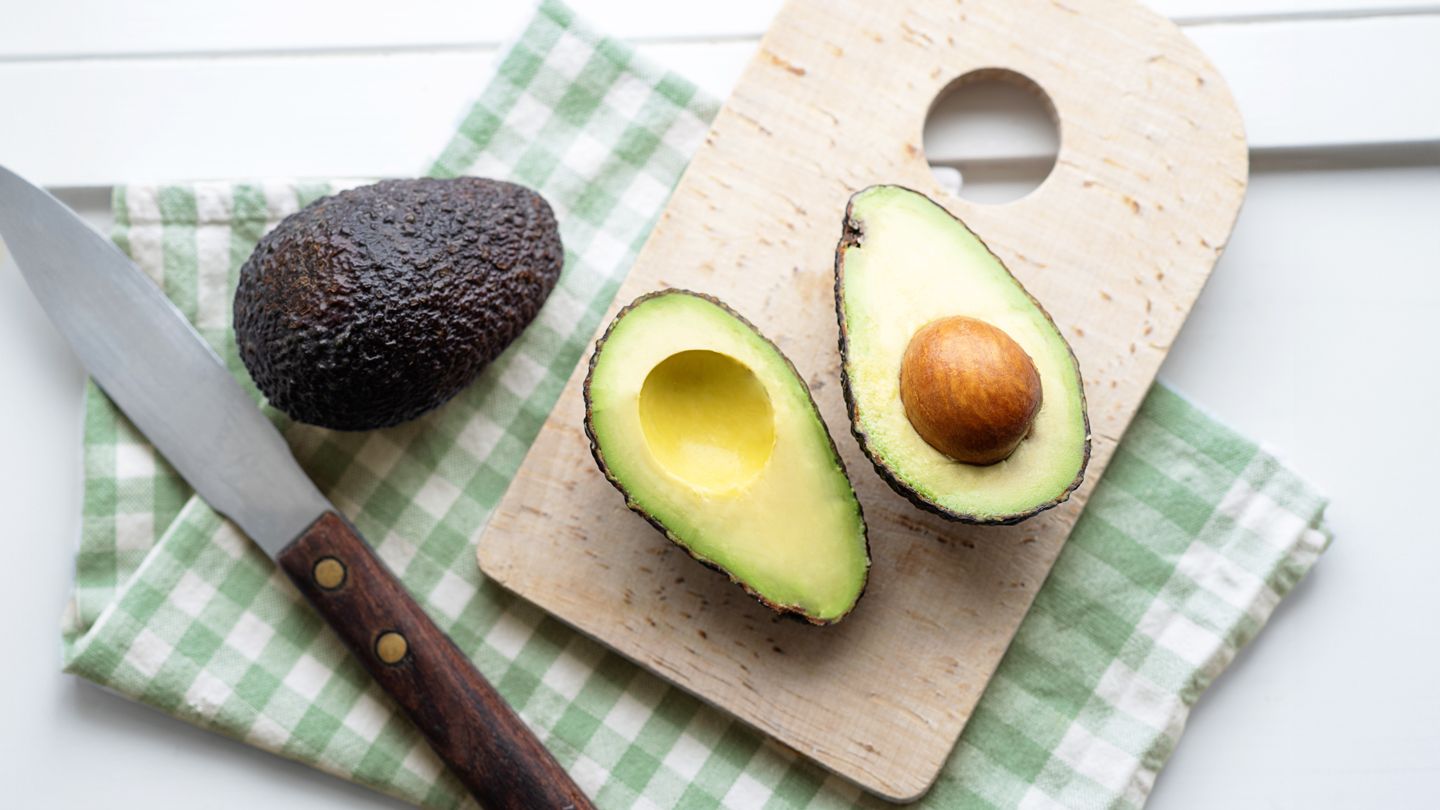
Avocados are widely recognized as a nutrient-dense superfood packed with healthy fats, vitamins, and minerals. If you are tracking calories or managing your diet, you may wonder how many calories are in one avocado and whether this popular fruit fits into a balanced eating plan.
One medium avocado contains approximately 240 calories, although the exact number can range from 160 to 320 calories depending on size and variety.
If you want to compare avocado calories with other foods and fruits, you can explore our complete calorie food guides here.
Avocado Calories by Size
The calorie content of an avocado varies depending on its size. Here is a helpful breakdown:
| Avocado Size | Calories |
|---|---|
| Small avocado (150g) | About 160 calories |
| Medium avocado (200g) | About 240 calories |
| Large avocado (250g+) | About 300–320 calories |
Avocados are calorie-dense mainly because they contain healthy fats that support heart health and provide long-lasting energy.
According to the USDA FoodData Central database, avocados are rich in nutrients while providing beneficial fats that help improve nutrient absorption.
Why Avocados Contain More Calories Than Other Fruits
Unlike most fruits that are high in carbohydrates, avocados are high in monounsaturated fats. These fats are considered heart-healthy and may support overall wellness.
Research from the Harvard T.H. Chan School of Public Health highlights that monounsaturated fats found in foods like avocados can help improve cholesterol balance and reduce cardiovascular risk.
Although avocados contain more calories than many fruits, their healthy fat content helps promote fullness, making them beneficial for appetite control and weight management.
Nutrition Facts in One Avocado
In addition to calories, avocados provide a wide range of essential nutrients.
Average nutrition in one medium avocado:
- Calories: 240
- Total fat: 22 grams
- Fiber: 10 grams
- Carbohydrates: 12 grams
- Protein: 3 grams
- Potassium: About 15% daily value
- Vitamin K: About 25% daily value
- Folate and Vitamin E: Moderate amounts
Studies referenced by the National Institutes of Health (NIH) suggest that fiber-rich fruits like avocados may help support digestive health and reduce inflammation.
Calories in Half an Avocado
Many people do not consume a full avocado in one serving.
Half a medium avocado contains approximately 120 calories. This portion still provides healthy fats and nutrients while reducing overall calorie intake.
Are Avocados Good for Weight Loss?
Although avocados are higher in calories, they may support weight management when eaten in moderation.

Avocados can help:
- Increase feelings of fullness
- Reduce unhealthy snacking
- Provide sustained energy
- Support balanced blood sugar levels
Experts from the Cleveland Clinic note that healthy fats and fiber-rich foods can be valuable additions to calorie-controlled diets.
Health Benefits of Eating Avocados
Avocados provide several important health advantages beyond calorie content.
Supports Heart Health
Healthy fats in avocados may help reduce bad cholesterol and support cardiovascular function.
Improves Digestion
Avocados are rich in fiber, which supports gut health and promotes regular digestion.
Provides Essential Nutrients
Avocados supply vitamins and minerals important for immunity, skin health, and overall wellness.
Supports Nutrient Absorption
Healthy fats help the body absorb fat-soluble vitamins such as vitamins A, D, E, and K.
How to Include Avocados in a Balanced Diet
Avocados are versatile and easy to incorporate into meals.
Popular ways to enjoy avocados include:
- Adding slices to salads
- Spreading mashed avocado on toast
- Blending into smoothies
- Using as a topping for eggs or sandwiches
Moderation is important since avocados are calorie-dense despite their health benefits.
Quick Summary
- One medium avocado contains about 240 calories
- Calorie content varies depending on avocado size
- Avocados are high in healthy fats and fiber
- Eating half an avocado provides around 120 calories
- Avocados offer numerous health and nutrition benefits
Frequently Asked Questions
How many calories are in one whole avocado?
A whole avocado typically contains between 160 and 320 calories depending on size.
Are avocados high in fat?
Yes, avocados are high in healthy monounsaturated fats that support heart health.
Can I eat avocado daily?
Moderate daily consumption is generally safe and may provide nutritional benefits.
Do avocados contain sugar?
Avocados contain very little natural sugar compared to most fruits.
Content Accuracy and Trust Statement
This article is based on nutritional data from reputable sources including the USDA FoodData Central database, Harvard T.H. Chan School of Public Health, and the National Institutes of Health. The content is written for educational purposes and is not a substitute for professional medical or dietary advice.