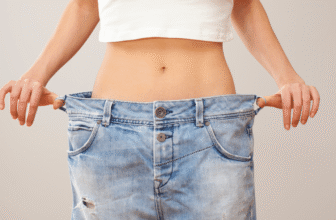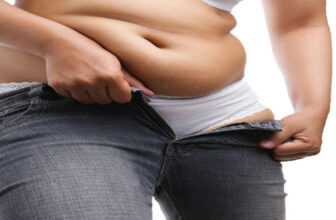

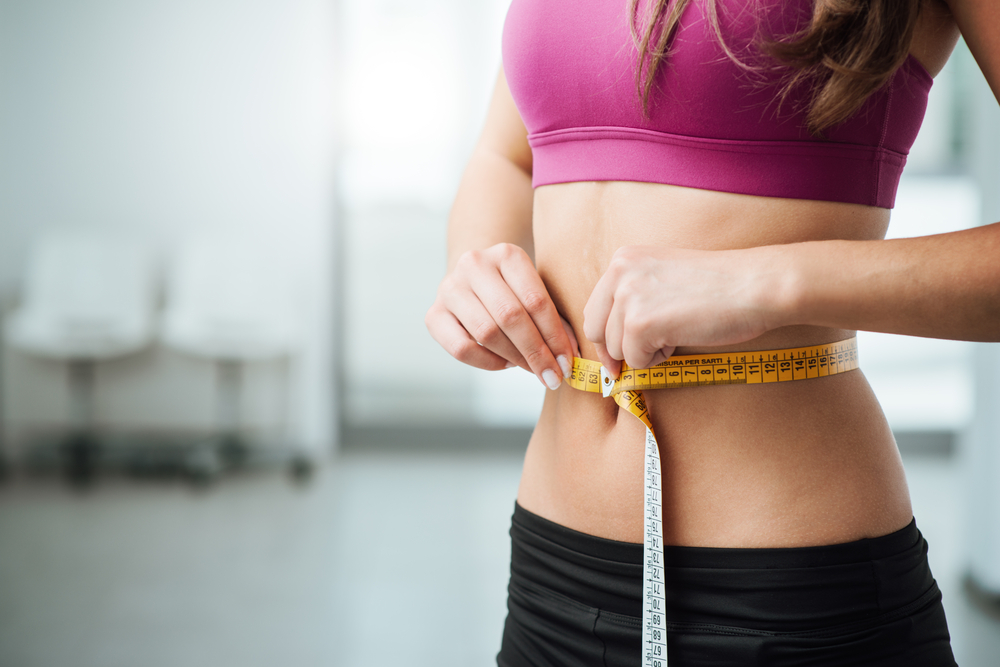
Is healthy weight loss after 40 possible? For the first three decades of my life, I was naturally slim—an athlete, even. Then, at 32, the joy of motherhood arrived with my son, and with him, a gradual but persistent shift in my physique. The pounds crept on subtly at first, leading to the “pleasantly plump” compliments that followed. My husband still found me attractive, so we continued to have our fair share of hot nights.
Then came twins at 36—two adorable daughters who filled our lives with laughter and love. But my weight? It kept increasing rapidly, going from “pleasantly plump” to something far less flattering. The “uncomfortably bloated” feeling is closer to the truth.
The athlete I once was is now a distant memory. Skiing, a passion I once cherished, has become a dangerous liability. I’ve become an “unpredictable torpedo” on the slopes—a runaway train of weight hurtling downhill with no clear destination. My knees protest, my skis refuse to turn, and the sheer force of my momentum dictates my path. I’m honestly lucky I haven’t injured myself or, worse, someone else.
Here I am, already over 40, and my weight problem hasn’t resolved itself. This year, I’m celebrating my 46th birthday, and my wish is simple: to lose weight. Nothing more, nothing less. This isn’t just about vanity; it’s about health, mobility, and reclaiming a piece of my former self.
The decision to take action solidified a couple of weeks ago during a trip to Venice with my husband. We envisioned a romantic gondola ride—a quintessential Venetian experience. However, our anticipated journey turned into a humiliating disaster. As I attempted to settle into the gondola, the boat tipped precariously, and with a splash, all three of us—my husband, the gondolier, and I—found ourselves submerged in the canal’s murky, undoubtedly smelly water.
The sheer embarrassment of the incident was crushing. I had dreamed of a gondola ride my entire life, and my weight had robbed me of that experience. I’m filled with guilt and regret, not only for ruining the ride but also for potentially jeopardizing our chances of ever returning to Venice.
This isn’t just about a missed gondola ride. It’s about reclaiming my life, my health, and my ability to participate fully in the world. It’s about preventing future embarrassing incidents and, more importantly, ensuring I’m around to see my children grow. My 46th birthday wish isn’t just a whim; it’s a commitment to change—a promise to myself to finally prioritize my well-being and shed the weight that has been holding me back for far too long. The smelly canal was a wake-up call, and I’m finally ready to answer it.
The Weight Loss Paradox: Knowing the Rules, but Lacking the Time
I know all the rules, and I have all the information on how to lose weight, but I don’t have time to follow them. This is what you should stick to:
- Eat less
- Move more
- Prioritize whole foods
- Get enough sleep
- Manage stress
I can practically recite the calorie deficit mantra in my sleep. But then reality sets in. Between demanding jobs, family commitments, social obligations, and the general chaos of modern life, finding the time to diligently adhere to these golden rules seems downright impossible.
Why Healthy Weight Loss After 40 Is More Difficult
Healthy weight loss after 40 refers to gradual, sustainable fat loss achieved through balanced nutrition, physical activity, proper sleep, and hormonal health management while preserving muscle mass and long-term metabolic health.
Why is healthy weight loss after 40 such a frustrating battle? Understanding the reasons is the first step toward reclaiming your health.
Several biological and lifestyle factors contribute:
- Slowing Metabolism: As we age, metabolism naturally declines. Research from the Harvard Health Publishing guide to aging metabolism explains how muscle loss and hormonal shifts reduce daily calorie burn.
- Muscle Loss (Sarcopenia): Maintaining muscle mass is essential for metabolic health. Strength training helps counteract muscle loss and supports fat burning. Learn more in our complete guide to strength training after 40.
- Hormonal Shifts: Hormonal changes influence fat distribution and appetite. The National Institute on Aging explains how aging hormones affect body composition and metabolism.
- Stress and Sleep Deprivation: Chronic stress raises cortisol levels and increases fat storage. According to the Mayo Clinic sleep and weight research, sleep quality is strongly linked to appetite regulation and fat storage.
- Lifestyle Changes: Busy schedules reduce physical activity and increase reliance on processed foods. Our article explaining metabolism changes after 40 describes how lifestyle changes affect fat storage.
Understanding the Science Behind Midlife Weight Changes
Research consistently shows that age-related muscle loss, hormonal shifts, and lifestyle changes can influence metabolism and fat distribution after 40. These changes do not make weight loss impossible, but they do mean that strategies focused on muscle preservation, adequate protein intake, sleep quality, and stress management become increasingly important. By aligning daily habits with these physiological realities, sustainable fat loss becomes far more achievable.
Proven and Safe Weight Loss Strategies After 40
So, What Can I Do?
While the challenges are real, healthy weight loss after 40 is absolutely achievable. Many people explore lifestyle changes, professional support, and weight management supplements.

What About Supplements?
During my journey, I experimented with different approaches, including a weight management supplement. I later shared my personal experience in a more detailed Mitolyn review, where I explain what I noticed and how I used it.
While I personally observed positive changes, I also believe supplements should only support — not replace — balanced nutrition, strength training, sleep, and stress management.
No pill can override poor habits. Sustainable results still come from consistent lifestyle choices.
Before starting any supplement, it’s important to speak with a healthcare professional.
I’ve become the slim woman I was before my first birth. Not only that, but I feel full of energy again, and nothing feels difficult for me anymore. Individual results may vary, and long-term weight management still requires balanced nutrition and regular physical activity.
I’m Jennifer Jones, and you won’t see the picture of the overturned gondola in the canal because I’m ashamed of it. But I can still picture what it looked like—like a stranded whale in the shallows.
Daily Habits That Support Healthy Weight Loss After 40
Building consistent daily habits is one of the most effective ways to achieve healthy weight loss after 40.
Evidence-Based Habit Comparison
| Habit | Benefit | Recommended Frequency |
|---|---|---|
| High-protein meals | Preserves muscle and metabolism | Every main meal |
| Strength training | Prevents muscle loss | 2–3 times weekly |
| Hydration | Controls appetite and digestion | Daily |
| Quality sleep | Regulates hunger hormones | 7–9 hours nightly |
| Stress reduction | Lowers cortisol fat storage | Daily relaxation activity |
While these habits look simple on paper, the real change happened when I began applying them consistently in my daily life.
The Exact Habits I Followed Each Week
When I stopped chasing quick fixes and focused on repeatable habits, everything changed. Here is what my typical week now looks like.
1. Protein at Every Meal (25–35g per meal)
Instead of cutting food drastically, I focused on adding protein:
- Breakfast: Greek yogurt with berries and seeds
- Lunch: Grilled chicken or tofu with vegetables
- Dinner: Fish, lean meat, or legumes
- Snacks: Cottage cheese, boiled eggs, or protein smoothie
Protein helped control hunger and preserved muscle while I lost fat.
2. Strength Training 3 Times per Week
I committed to simple resistance workouts:
- Squats
- Lunges
- Push-ups (wall or floor)
- Dumbbell rows
- Core exercises
Each session: 30–40 minutes.
After 40, maintaining muscle is critical. I noticed my body shape improved even before the scale changed.
3. 8,000–10,000 Steps Daily
Not intense cardio. Just movement.
Walking reduced stress, improved digestion, and helped me stay consistent without burnout.
4. Sleep Became Non-Negotiable
I aim for 7–8 hours nightly.
When I sleep well:
- I crave less sugar
- I have more energy
- I make better food choices
Sleep was more powerful than I expected.
5. Gentle Calorie Awareness (Not Extreme Dieting)
I avoided crash diets.
Instead:
- Smaller portions
- More whole foods
- Less liquid calories
- Mindful eating
Consistency mattered more than perfection.
One of the most important habits is increasing protein intake. Protein helps preserve muscle mass, which naturally declines with age. Maintaining muscle supports metabolism and helps the body burn more calories even at rest. Learn more in our protein intake guide for fat loss.
Strength training is another essential habit. Resistance training rebuilds muscle and improves metabolic health. Bodyweight exercises, resistance bands, or light weightlifting performed two to three times weekly can significantly improve fat loss and strength.
Hydration also plays a key role in weight management. Drinking enough water supports digestion and appetite control.
Sleep quality is strongly linked to weight regulation. Poor sleep disrupts hunger hormones and increases cravings for unhealthy foods.
Stress management is equally important. Relaxation techniques such as walking, yoga, meditation, or hobbies support mental and physical health.
What Realistic Progress Looks Like After 40
One of the biggest mindset shifts for me was accepting that weight loss after 40 may be slower — and that’s okay.
A healthy and sustainable pace is typically:
- Around 0.5–1 kilogram (1–2 pounds) per week
- Gradual fat loss rather than rapid scale drops
- Noticeable improvements in body composition over time
In my experience, progress appeared in stages:
- First month: more energy, less bloating, better sleep
- Months two to three: clothes fitting differently and improved strength
- Months four to six: visible body changes and increased confidence
Sustainable weight loss rarely happens dramatically. Instead, it builds quietly through consistent habits.
Frequently Asked Questions About Healthy Weight Loss After 40
Is it harder to lose weight after 40?
Yes, weight loss can become more challenging due to slower metabolism, hormonal changes, and muscle loss. However, consistent lifestyle changes can still produce effective results.
What is the safest way to lose weight after 40?
Balanced nutrition, regular physical activity, adequate sleep, and stress management are the safest approach.
How fast can you safely lose weight after 40?
Most experts recommend losing about 0.5 to 1 kilogram per week.
What type of exercise is best after 40?
A combination of strength training, cardiovascular exercise, and flexibility work is recommended.
Final Thoughts
Healthy weight loss after 40 isn’t about becoming who you were at 25.
It’s about building strength, protecting your health, and feeling confident in your current season of life.
The habits that helped me lose weight weren’t extreme — they were consistent.
Small daily decisions added up over time.
If my journey resonated with you, you might also find motivation in other success stories from women navigating weight loss after 40.
Author Experience
Jennifer Jones is a mother of three who shares her personal journey with weight challenges after 40 while researching evidence-based health and lifestyle strategies. Her goal is to help women understand realistic and sustainable weight management options during midlife.
Medical Disclaimer
This article is intended for educational purposes only and does not replace professional medical advice. Always consult a qualified healthcare professional before starting any weight loss program or supplement.