
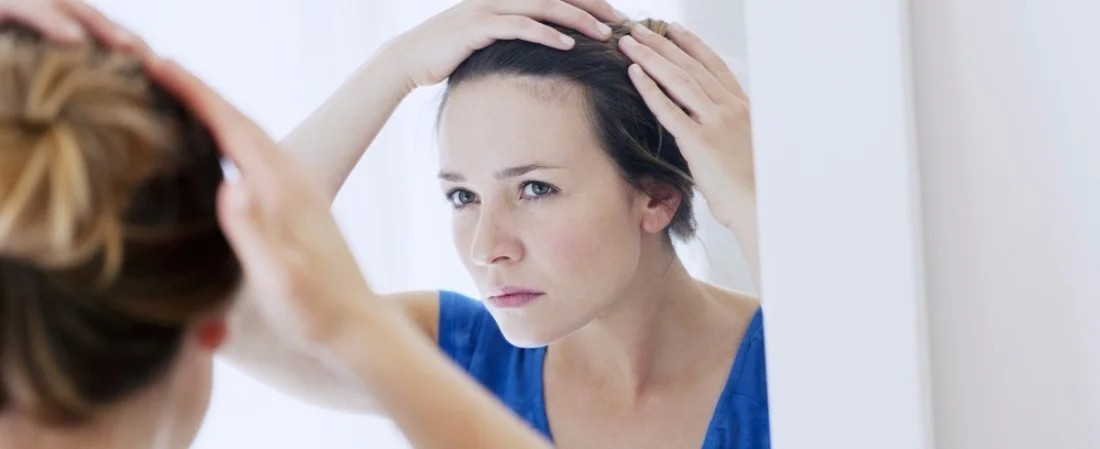
Seborrheic dermatitis is a common skin condition that affects many people, causing redness, flakiness, itching, and irritation on the face. While it is not life-threatening, it can be uncomfortable and affect your confidence. Choosing the best cream for seborrheic dermatitis on face is crucial for managing symptoms, soothing irritation, and preventing flare-ups. This guide explores the top creams, their key ingredients, and tips for caring for sensitive skin prone to seborrheic dermatitis.
What is Seborrheic Dermatitis?
Seborrheic dermatitis is a chronic inflammatory skin condition that primarily affects areas rich in oil glands, such as the scalp, sides of the nose, eyebrows, and the face. Its exact cause isn’t fully understood, but it’s often linked to an overgrowth of yeast (Malassezia) on the skin, an overactive immune response, and environmental factors such as stress, weather changes, and harsh skincare products.
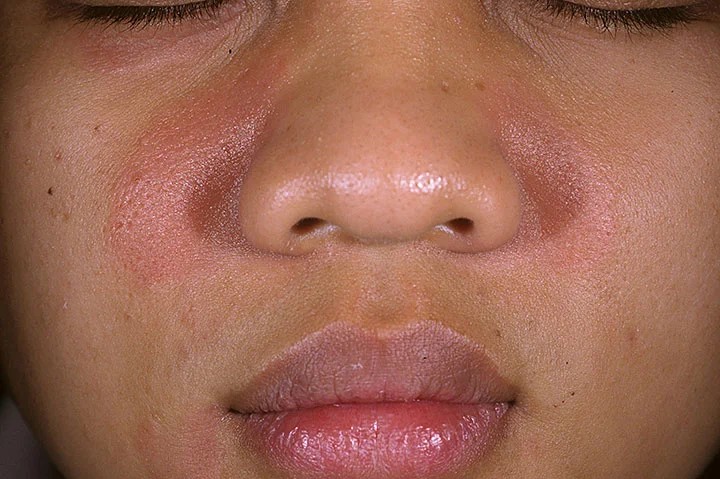
Common Symptoms
- Red, inflamed patches of skin
- White or yellow flaky scales
- Itching and burning sensations
- Oily or greasy skin in affected areas
While seborrheic dermatitis can appear anywhere on the face, it’s especially noticeable around the nose, eyebrows, and hairline. Proper skincare and the right topical treatments can significantly reduce discomfort and improve the appearance of your skin.
Why Choosing the Right Cream Matters
Using the correct cream for seborrheic dermatitis is essential because the wrong products can worsen irritation. Many over-the-counter creams contain harsh chemicals, fragrances, or alcohol, which can strip the skin’s natural oils and exacerbate symptoms.
A high-quality cream for seborrheic dermatitis should:
- Soothe inflammation and redness
- Reduce flakiness and scaling
- Be gentle on sensitive skin
- Support the skin’s natural barrier
- Contain antifungal or anti-inflammatory ingredients
Key Ingredients to Look for in Creams
According to dermatology research, antifungal ingredients such as ketoconazole are considered first-line treatment options for facial seborrheic dermatitis. When searching for the best cream for seborrheic dermatitis on face, certain ingredients are particularly effective:
1. Ketoconazole
Ketoconazole is an antifungal agent that targets the yeast responsible for flare-ups. It helps reduce redness, itching, and scaling.
2. Zinc Pyrithione
This ingredient has antifungal and antibacterial properties, making it effective in controlling seborrheic dermatitis while being gentle on the skin.
3. Ciclopirox
Another antifungal option, ciclopirox is commonly used in prescription creams for stubborn cases.
4. Salicylic Acid
Salicylic acid helps remove flakes and prevent buildup, promoting smoother skin.
5. Moisturizing Agents
Look for creams containing ceramides, hyaluronic acid, or glycerin, which help restore the skin barrier and lock in moisture.
6. Soothing Botanicals
Aloe vera, chamomile, and oat extracts help calm irritation and reduce redness naturally.
Top 7 Best Creams for Seborrheic Dermatitis on Face
Here’s a detailed review of some of the most recommended creams for seborrheic dermatitis. These options are gentle, soothing, and effective:
1. Nizoral Anti-Dandruff Cream (Ketoconazole)
- Why it works: Contains 2% ketoconazole, effectively reducing yeast overgrowth.
- Benefits: Soothes redness, controls flaking, and prevents future flare-ups.
- Best for: Moderate seborrheic dermatitis.
2. CeraVe Moisturizing Cream
- Why it works: Packed with ceramides and hyaluronic acid to restore the skin barrier.
- Benefits: Non-irritating, fragrance-free, and ideal for sensitive skin.
- Best for: Daily moisturizing and preventing dryness.
3. Eucerin Redness Relief Cream
- Why it works: Contains licochalcone to calm inflammation and soothe irritated skin.
- Benefits: Reduces redness and provides lasting hydration.
- Best for: Sensitive skin prone to irritation.
4. La Roche-Posay Lipikar Baume AP+
- Why it works: Features shea butter, niacinamide, and glycerin for deep hydration and barrier repair.
- Benefits: Anti-inflammatory, prevents flare-ups, and improves skin texture.
- Best for: Severe dryness combined with seborrheic dermatitis.
5. Sebclair Seborrheic Dermatitis Cream
- Why it works: Specifically formulated to target seborrheic dermatitis with calming ingredients.
- Benefits: Soothes irritation, reduces itching, and strengthens skin barrier.
- Best for: Ongoing maintenance therapy.
6. Hydrocortisone 1% Cream (Low Strength)
- Why it works: Mild corticosteroid that reduces inflammation and itching.
- Benefits: Fast relief from flare-ups.
- Best for: Short-term treatment under dermatologist guidance.
7. Aveeno Skin Relief Moisturizing Cream
- Why it works: Contains colloidal oatmeal to relieve itching and irritation.
- Benefits: Gentle, fragrance-free, and ideal for sensitive facial skin.
- Best for: Daily soothing and hydration.
Quick Comparison of the Best Creams for Seborrheic Dermatitis on Face
| Cream | Best For | Key Ingredient | Strength Level |
|---|---|---|---|
| Nizoral Anti-Dandruff Cream | Active flare-ups | Ketoconazole | Strong antifungal |
| CeraVe Moisturizing Cream | Daily hydration | Ceramides | Barrier repair |
| Eucerin Redness Relief | Redness & irritation | Licochalcone | Anti-inflammatory |
| La Roche-Posay Lipikar Baume AP+ | Severe dryness | Shea butter + Niacinamide | Deep hydration |
| Sebclair Cream | Maintenance therapy | Soothing botanicals | Gentle daily use |
| Hydrocortisone 1% Cream | Short-term flare control | Hydrocortisone | Mild steroid |
| Aveeno Skin Relief | Sensitive skin | Colloidal oatmeal | Soothing |
How to Apply Creams for Maximum Effect
Applying your cream correctly can make a big difference in results:
- Cleanse Gently: Use a mild, non-soap cleanser to remove oil and flakes without irritation.
- Pat Dry: Avoid rubbing; gently pat your face dry.
- Apply Cream: Apply a thin layer to affected areas, avoiding eyes and lips.
- Follow Routine: Use as directed, often once or twice daily depending on the product.
- Moisturize: Always follow with a gentle moisturizer to prevent dryness.
Lifestyle Tips to Reduce Flare-Ups
In addition to creams, lifestyle habits can help control seborrheic dermatitis:
- Avoid Harsh Skincare Products: Stay away from alcohol-based toners and exfoliants.
- Manage Stress: Stress can trigger flare-ups, so relaxation techniques help.
- Watch Your Diet: Some people find reducing sugar, dairy, or processed foods improves skin health.
- Sun Protection: Sun exposure can worsen irritation, so use gentle SPF.
- Regular Cleansing: Cleanse the face twice daily with mild cleansers to reduce oil and yeast buildup.
When to See a Dermatologist
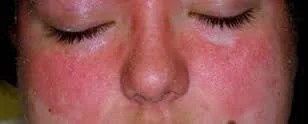
If your seborrheic dermatitis persists despite over-the-counter creams, worsens, or spreads to other areas, consult a dermatologist. Prescription treatments may include stronger antifungal creams, corticosteroids, or combination therapies.
Frequently Asked Questions
What is the fastest way to treat seborrheic dermatitis on the face?
Use an antifungal cream containing ketoconazole or zinc pyrithione, combined with a gentle moisturizer to support the skin barrier. Consistency is key.
How long does it take for cream to work?
Most people see improvement within 1–2 weeks, but maintenance care may be needed to prevent flare-ups.
Can I use hydrocortisone daily?
Low-strength hydrocortisone should only be used short-term unless advised by a dermatologist.
Is seborrheic dermatitis fungal?
It is linked to an overgrowth of Malassezia yeast, but it is not contagious.
Conclusion
Finding the best cream for seborrheic dermatitis on face requires understanding your skin’s needs and choosing ingredients that reduce inflammation, control yeast overgrowth, and support the skin barrier. While this condition can be chronic, it is highly manageable with consistent care and the right treatment approach. Remember, consistent care is key—seborrheic dermatitis is manageable, and the right cream can make all the difference in restoring comfort and confidence.