

Having younger-looking skin is a goal for many people. If you have sensitive skin, choosing the right anti aging skincare for sensitive skin routine becomes even more important. While the beauty industry promises countless solutions for youthful skin, not all products are suitable for delicate or reactive skin types.
Aging is a natural process that causes the skin to thin and lose elasticity, leading to wrinkles and fine lines. However, sensitive skin requires a carefully balanced approach. The wrong active ingredients can trigger redness, dryness, or irritation. A gentle, structured routine helps protect the skin barrier while effectively targeting visible signs of aging. For more expert advice on building a complete routine, explore our Skin Care section where we cover cleansers, moisturizers, and targeted treatments in detail.
How to Prevent Premature Aging If You Have Sensitive Skin
Preventing premature aging starts with protecting the skin barrier and avoiding irritation. Sensitive skin reacts more easily to environmental stress, harsh products, and over-exfoliation. Adopting gentle habits and consistent skincare practices can significantly reduce early fine lines and redness.
Consider your overall lifestyle — from the products you apply to your sleep quality and daily stress levels. All these are contributing to how you look and feel.
Gentle Anti Aging Routine for Sensitive Skin
Building a simple, consistent anti-aging routine for sensitive skin is essential. The goal is to protect the skin barrier while gradually improving firmness and texture.
Morning Routine
- Use a gentle, fragrance-free cleanser.
- Apply a low-strength vitamin C serum (5–10%).
- Use a moisturizer with ceramides or hyaluronic acid.
- Finish with broad-spectrum SPF 30 or higher.
Night Routine
- Cleanse with a mild hydrating cleanser.
- Apply a peptide serum or bakuchiol.
- Use a barrier-repair moisturizer.
- Avoid layering too many active ingredients at once.
Best Foods That Support Healthy Aging Skin
The human skin is alive and it therefore requires nutrients to maintain. A balanced diet supports overall skin health and complements your anti-aging skincare routine. Though there is no magical diet for preventing or removing wrinkles, some foods can help you to achieve your goal faster.
Chances are, you have heard of these foods, and know just what you need to maintain a younger looking skin. Ideally, foods that are rich in nutrient content will be good for your skin. Think fruits, vegetables, whole grain cereals, nuts, lean meat. Don’t focus on just one thing that becomes your favorite, try different varieties to benefit from the unique nutrients they contain.
Whole grains
- Whole grains give our body what are called complex carbohydrates. They take long to digest and therefore do not spike the sugar levels in your blood. They are said to be low on the glycemic index. Refined and processed foods such as bread, cakes etc can cause irregular increases in blood sugar level which is unhealthy. This affects your skin and also your body health. Whole wheat, barley, brown rice and oats fall in this category.
Grapefruit
- Citrus fruits like oranges, lemon and grapefruit are high in water and vitamin C. They hydrate your body and increase the formation of collagen that keeps skin taut and smooth. Fruits and vegetables have wonderful effects on the human skin. By going for different colored fruits, you are able to maximize on different nutrients in each.
Avocados
- Avocados are rich in monounsaturated fats which is a healthy fat. It keeps your skin moisturized and helps the body in absorption of important vitamins and minerals. It can be added to salads or used to replace fatty salad dressing. Avocado has also been linked to feelings of satiety and less binge eating after meals.
Lean protein
- Lean meats such as fish, chicken, lean beef are great sources of protein which is a useful component of healthy skin. Legumes can also be used to get healthy proteins.
Cabbage
- Cruciferous vegetables such as Brussels Sprouts, cabbage, cauliflower and broccoli have vitamin A , C and iron. This promotes formation of collagen and vitamin A protects skin against sun burns. Kales and green leafy vegetables are also nutritious and beneficial to skin.
Nuts
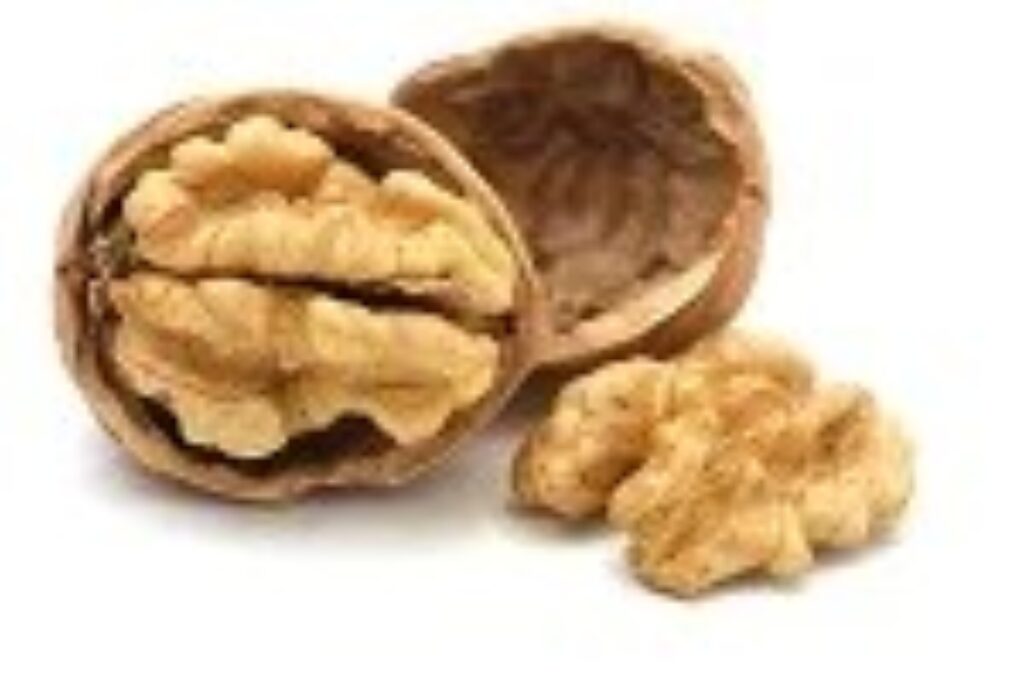
- Nuts are very good sources of healthy fats. One should not over indulge lest they end up with increased weight. The fat is very good for healthy smooth skin which seals up moisture and rejuvenates regularly.
Natural Anti Aging Skincare for Sensitive Skin
Here are a couple simple health tips that guarantee a healthier and beautiful skin and an younger looking skin even as your age increases.
Protect your skin from the sun
The sun radiates heat and UVB and UVA rays. Exposure to the sun for long periods of time can cause the skin to age faster, get wrinkles, get sun burns and have an increased risk of getting cancer. It may not be possible to stay away from the sun at all times – that is why it is important to use a good quality sunscreen with a sun protection factor (SPF) of 15 -30.
Always make sure you use a broad-spectrum sunscreen that protects from both UVA and UVB. Even with this, exposure to the sun for large amounts of time should be avoided especially at times when the sun is hottest between 10am – 4pm. In addition, wear sun protective clothing such as long pants, hats and long sleeved tops.
Eat proper diet
It is important to maintain a healthy diet in order to keep the body functioning optimally. Fruits and vegetables should be a huge part of your diet. Previous research has shown that diets rich in Vitamin C do promote a healthy looking skin. Eating foods low in fats and refined foods is also good for your health.
Take water
Water is important in our bodies for detoxification and refreshment. The human body is said to be 70% water and therefore we must keep replenishing the supply of water in the body. Drinking water has been associated with younger skin, shiny hair and healthy body.
Eliminate stress
Stress and other mental problems such as depression, trauma etc can make one’s skin highly sensitive. This can cause not just acne but a myriad of other skin problems. It is important to encourage healthy state of your mind by keeping off stress and also deal with factors that cause stress. For instance, having a to-do list helps one to accurately budget time for their activities. By doing so, you will avoid taking on too much work that you cannot manage. Always set a side a little time to relax and rejuvenate before getting onto the next workload.
Use gentle products
Harsh chemicals in soaps and detergents affect the skin by stripping off the oils. It is common to feel dry and brittle after using some soaps and or detergents in washing clothes or bathing. This takes away the natural glow from the skin and contributes to it not looking younger.

How to Select Anti Aging Skin Care Products
Here is a simple guide in selecting anti aging skincare for sensitive skin products:
- First you need to test your skin so that you can identify your skin type.
- Always look out for products that are marked appropriate for your skin type.
- Use products only from recognized manufacturers and as much as possible consult your primary healthcare provider.
- Use products that are mild, do not contain alcohol and which have natural healing components such as aloe Vera, and which do not contain perfumes.
Key Anti-Aging Ingredients That Are Safe for Sensitive Skin
When choosing products, understanding ingredients is just as important as choosing the right brand. Sensitive skin reacts easily, so selecting gentle but effective actives makes a major difference. Dermatologists often recommend focusing on barrier-supporting ingredients first before introducing stronger anti-aging treatments. Strengthening the skin barrier helps reduce sensitivity and improves tolerance to active ingredients over time.
| Ingredient | Main Benefit for Sensitive Skin |
|---|---|
| Niacinamide | Reduces redness & strengthens barrier |
| Hyaluronic Acid | Hydrates & plumps |
| Ceramides | Repairs skin barrier |
| Peptides | Supports collagen |
| Bakuchiol | Gentle retinol alternative |
Niacinamide – Helps reduce redness, improve elasticity, and strengthen the skin barrier without causing irritation.
Hyaluronic Acid – Provides deep hydration and plumps fine lines without disrupting sensitive skin.
Ceramides – Essential for repairing and maintaining the skin barrier, which is often compromised in sensitive skin.
Peptides – Support collagen production gently, helping reduce fine lines over time.
Bakuchiol – A plant-based alternative to retinol that delivers anti-aging benefits with less irritation.
Ingredients to Avoid
- Fragrance (synthetic or added perfume)
- Alcohol (denatured alcohol high in ingredient list)
- High-strength retinol without gradual introduction
- Strong exfoliating acids used frequently
Frequently Asked Questions
Can sensitive skin use retinol?
Yes, but it should be introduced slowly. Start with a low concentration 1–2 times per week and monitor irritation. Alternatively, bakuchiol can provide similar benefits with less sensitivity.
How often should sensitive skin exfoliate?
Sensitive skin should exfoliate only once per week using mild exfoliants to avoid damaging the skin barrier.
What is the best anti-aging ingredient for sensitive skin?
Ingredients like niacinamide, peptides, ceramides, and hyaluronic acid are generally well tolerated and effective.
Is vitamin C safe for sensitive skin?
Yes, but lower concentrations (5–10%) are usually better tolerated. Always pair with moisturizer and sunscreen.
If you prefer a ready-made formula that combines several of the gentle ingredients mentioned above, consider choosing a product designed specifically for sensitive skin. Revitol anti-aging solution helps decrease signs of aging. It is fortified with powerful ingredients which help fight free radicals and inhibit the aging process.