Foods That Speed Up the Metabolism: What Actually Works (and What’s a Myth)
Foods that speed up the metabolism do exist, but “speed up” can be misleading. No single food dramatically increases the number of calories you burn, and no ingredient can cancel out an overall calorie surplus. The most useful foods are those that provide protein, fiber and nutrients while helping you stay full and maintain muscle. Coffee, green tea and chili peppers may have smaller, temporary effects, but they are not weight-loss shortcuts.
Key Takeaways
- No single food dramatically speeds up your metabolism. Some foods may have a small, short-lived effect.
- Protein has the highest thermic effect of the three macronutrients and can help preserve muscle during weight loss.
- Coffee, green tea and chili peppers may contribute modestly, but they are not weight-loss shortcuts.
- Eating too little can make a diet harder to sustain and may increase the risk of losing lean mass.
- Strength training, daily movement, sleep and a sustainable eating pattern matter more than any single food.
Can Food Really Speed Up Your Metabolism?
Metabolism is the set of processes your body uses to turn food and drink into energy. It supports essential functions such as breathing, circulation, temperature regulation and movement. For a clear medical overview, see the Cleveland Clinic explanation of metabolism.
Most of the energy you use each day goes toward keeping your body functioning at rest. The rest comes from physical activity and from digesting food. Your age, body size, muscle mass, genetics, hormones and health can all affect how much energy your body uses.
Digesting food requires energy. This is called the thermic effect of food. Protein generally requires more energy to digest, absorb and process than carbohydrates or fat. However, the effect is still modest and does not turn a normal food into a fat-burning product.
The Mayo Clinic’s guide to metabolism and weight loss explains that metabolism affects how much energy your body needs, but body weight is influenced by overall food intake and physical activity. That is why a single ingredient cannot create a dramatic or permanent change.
Foods That Speed Up the Metabolism: What Actually Works
The foods below may support metabolism indirectly by providing protein, fiber, fluids and nutrients. They can help you build filling meals and maintain muscle, but they should not be described as foods that “melt fat” or dramatically increase calorie burn.
Protein-Rich Foods
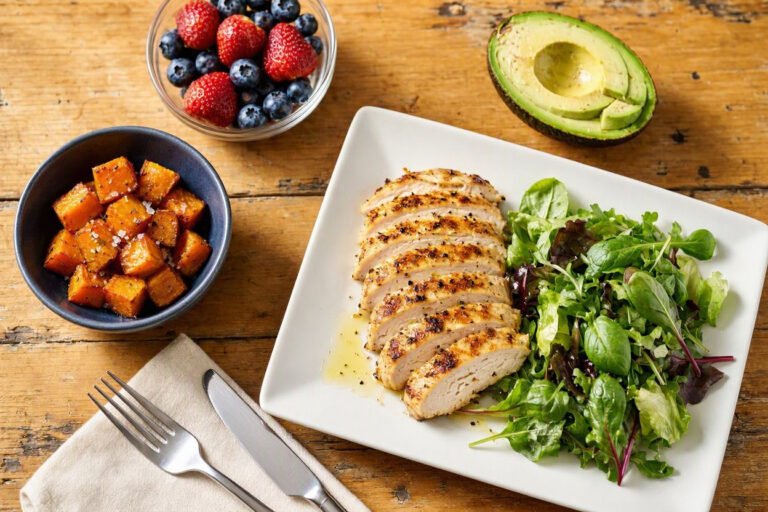
Eggs, fish, poultry, Greek yogurt, tofu, lentils and beans provide protein, which generally has a higher thermic effect than fat or carbohydrates. Protein can also help you feel fuller and preserve lean mass while you eat fewer calories.
Preserving muscle during weight loss matters because muscle tissue contributes to the energy your body uses at rest. This does not mean that eating unlimited protein creates a fast metabolism. It means that including a suitable protein source in meals can support a balanced, filling eating pattern.
Expert tip from Chloe: make protein the starting point of a meal rather than an afterthought. Choose one realistic option—such as eggs or Greek yogurt at breakfast, beans or chicken at lunch, or fish, tofu or lentils at dinner—then add vegetables and a carbohydrate you enjoy. This approach is usually easier to maintain than following a rigid high-protein plan.
Whole, Fiber-Rich Foods
Vegetables, fruit, oats, beans and other whole foods provide fiber and can make meals more filling. They may take longer to chew and digest than many highly processed foods, but their direct effect on metabolic rate is small.
Their bigger benefit is practical: fiber-rich foods can help you create satisfying meals without relying on large amounts of added sugar or highly processed snacks. Pairing fiber-rich carbohydrates with protein is one simple way to make meals more balanced.
Water and Unsweetened Drinks
Your body needs water for normal metabolic processes, so drinking enough fluids supports normal function. Drinking cold water may use a very small amount of additional energy, but this effect is not large enough to drive meaningful weight loss.
The more useful benefit is replacing sugary drinks with water, sparkling water or another unsweetened drink. This can reduce liquid calories without requiring you to remove an entire meal or food group.
Coffee and Green Tea
Caffeine can temporarily increase alertness and energy expenditure. However, the effect is modest, and your body may develop tolerance with regular use. Drinking more coffee is therefore not a reliable weight-loss strategy, especially if it affects your sleep.
Green tea contains caffeine and other compounds that may have a small effect on weight. However, the effect is modest, and green tea should not be treated as a reliable weight-loss strategy. Concentrated green tea extract is different from an ordinary cup of tea and may carry additional risks.
If you drink coffee or tea, keep added sugar and high-calorie creamers in mind. A drink that contains a large amount of added sugar can provide more calories than the small potential metabolic effect of caffeine.

Spicy Foods
Chili peppers contain capsaicin, the compound responsible for their heat. Capsaicin may have a small effect on energy expenditure or appetite, but the evidence is not strong enough to treat spicy food as a reliable weight-loss method.
Use chili peppers for flavor if you enjoy them, not because you expect them to burn a significant amount of fat. The possible effect is small and should be considered part of an overall eating pattern rather than a stand-alone weight-loss method.
If you enjoy chili-heavy cuisines, our guide to Thai food and calories shows which dishes stay light.
Foods That Boost Metabolism: A Realistic Food List
Most lists of foods that boost metabolism overpromise. The foods below do not dramatically speed up your metabolism. They are useful because they provide protein, fiber, fluids or other nutrients that can support fullness, muscle maintenance and a balanced eating pattern.
| Food or drink | Why it may help | Realistic expectation |
|---|---|---|
| Eggs, fish, poultry and Greek yogurt | Provide protein, which has a higher thermic effect than fat and may help preserve muscle. | Useful as part of a filling meal, but not a fat-burning food. |
| Beans and lentils | Combine plant protein and fiber, which may help you feel satisfied. | Can make a calorie-controlled eating pattern easier to maintain. |
| Oats and other whole grains | Provide fiber and help create more filling meals. | Support overall diet quality rather than directly speeding up metabolism. |
| Vegetables and fruit | Add volume, fiber, water and important nutrients for relatively few calories. | Helpful for fullness and meal balance, not “negative-calorie” foods. |
| Coffee and green tea | Caffeine may temporarily increase alertness and energy expenditure. | The effect is modest, and tolerance can reduce it over time. |
| Chili peppers | Capsaicin may have a small effect on energy expenditure or appetite. | Use for flavor; do not rely on it for meaningful weight loss. |
| Water and unsweetened drinks | Replacing sugary drinks can reduce liquid calories and support hydration. | The main benefit is fewer calories from drinks, not a major metabolism boost. |
A practical meal might combine one protein source, a high-fiber carbohydrate, vegetables or fruit and a drink without added sugar. For example, Greek yogurt with oats and berries, or beans with vegetables and a whole-grain side, can be more useful than searching for one special ingredient.
Myths About Foods and Metabolism
- “Fat-burning foods.” No food melts fat on its own. Foods can support a healthy eating pattern, but the direct calorie effect is usually small.
- “Negative-calorie” foods such as celery. There is no reliable evidence that foods such as celery provide fewer calories after digestion than they contain.
- Detox drinks and apple cider vinegar. These products are often marketed as metabolism boosters, but there is no solid evidence that they dramatically increase calorie burn or cause meaningful fat loss.
- Eating very little to “reset” your metabolism. Severe restriction tends to backfire; more on that under Avoiding Extreme Calorie Restriction below.
- “Eating at night ruins your metabolism.” Meal timing is usually less important than total intake, food quality and consistency. Individual responses can vary, but eating after a certain time does not automatically stop weight loss.
How to Increase the Metabolism Naturally
Food is only a small part of the answer. Individual foods can make a small contribution, but your overall routine has a much greater effect on weight management and metabolic health. Eating one “metabolism-boosting” food will not compensate for chronic sleep loss, very little movement or a diet that is difficult to maintain. The most useful habits are the ones that help you preserve muscle, manage hunger and stay active consistently.
Strength Training
Strength training helps you build or preserve muscle while you lose weight. Muscle tissue contributes to the energy your body uses at rest, although the increase in calorie burn is usually modest. The bigger benefit is that resistance exercise helps protect lean mass and improve strength as your body weight changes.
The Cleveland Clinic’s guidance on supporting metabolism includes strength training alongside regular movement. You do not need a gym to begin. Body-weight exercises, resistance bands and light weights can all be useful.
Start at a level you can perform safely, then increase the challenge gradually. If you have a medical condition or have not exercised for a long time, ask a healthcare professional how to begin.
Everyday Movement
Walking, taking the stairs, doing household tasks and standing more often can add up over the course of a week. You do not have to rely only on intense workouts. A daily walk or a few short movement breaks may be easier to repeat than an occasional exhausting session.
The best amount of movement is the amount you can continue safely and consistently. Even when exercise does not dramatically change your resting metabolism, it can support fitness, mood, cardiovascular health and long-term weight management.
Sleep and Stress
Poor sleep can make weight management harder by increasing tiredness, cravings and the likelihood of choosing convenient foods. Chronic stress can also affect eating patterns and make it more difficult to follow a planned routine.
Sleep and stress management may not act as instant metabolism boosters, but they can make healthy eating and regular movement easier to maintain. Aim for a regular sleep schedule and choose simple stress-management habits that fit your life, such as walking, breathing exercises, stretching or taking a short break from screens.
Avoiding Extreme Calorie Restriction
Eating as little as possible is not a reliable way to improve your metabolism. Severe restriction can increase hunger, reduce energy and make a diet difficult to sustain. It may also increase the risk of losing lean mass, especially when protein intake and resistance training are inadequate.
A more realistic approach is to choose a moderate calorie deficit, include filling foods and adjust the plan when it is not working for you. If you have a history of disordered eating, are pregnant or have a medical condition, seek individualized advice from a qualified healthcare professional rather than following a generic calorie target.
Michelle’s Experience
In her story of losing 60 pounds, Michelle describes practical habits that helped her create a more consistent routine. These habits did not act as a magic metabolism boost, but they show why repeatable choices can matter more than searching for one special food. Read her full experience in How I Lost 60 Pounds.
Do Metabolism Boost Pills Work?
This section gives general information from public health sources and is not medical or pharmaceutical advice.
Metabolism boost pills are dietary supplements that claim to raise energy use, reduce appetite or increase fat burning. Evidence for most metabolism-boosting and weight-loss supplements is limited. Many products are expensive, can interact with medication and may contain combinations of ingredients that have not been well studied.
The NIH fact sheet on weight-loss dietary supplements explains that there is little scientific evidence that most weight-loss supplements work. It also discusses possible concerns related to caffeine, green tea extract and other ingredients.
Pills do not replace food, sleep and movement. If you are considering a supplement, especially if you take medication or have a heart, blood pressure or blood sugar condition, ask your doctor or pharmacist first.
A Simple Day of Metabolism-Friendly Eating

This sample day focuses on protein, fiber and whole foods. It is an example, not a personalized meal plan or medical prescription.
- Breakfast: eggs with spinach and tomatoes, or Greek yogurt with berries and oats.
- Lunch: grilled chicken or fish with vegetables and a whole grain, or a large salad with chickpeas.
- Snack: fruit, a small handful of nuts, or carrot sticks with a boiled egg.
- Dinner: lean protein, vegetables and a portion of potatoes, rice or another starch.
The portions and ingredients should fit your appetite, preferences, cultural eating habits and health needs. For a more structured starting point, see our 7-day healthy diet plan.
When to See a Doctor
If you have unexplained weight changes, constant fatigue, feel unusually cold or are concerned that your body is not responding as expected, talk to a healthcare provider. Conditions such as an underactive thyroid can affect energy and weight, and food cannot diagnose or treat them.
You should also ask a healthcare professional before starting a new diet, supplement or exercise routine if you are pregnant, take medication or have a heart, thyroid, blood pressure or blood sugar condition.
Frequently Asked Questions
Do Foods Burn Fat?
Not on their own. Some foods may raise energy use slightly, but meaningful fat loss depends on your overall eating pattern, physical activity and the amount of energy you consume over time. Protein, strength training and sleep can support a sustainable approach, but no individual food burns body fat by itself.
Can You Permanently Boost Your Metabolism?
You can support your metabolism by maintaining muscle and staying active, but you cannot change it dramatically with one food or supplement. Genetics, age, body size, muscle mass and other factors play important roles.
Does Eating More Often Speed Up Metabolism?
There is no strong evidence that eating more frequently automatically causes you to burn more calories. Choose the meal pattern that helps you eat balanced meals, manage hunger and stay consistent.
Is a “Slow Metabolism” Real?
Metabolic rates do differ between people because of factors such as body size, muscle mass, age, genetics and health. A medical condition can sometimes affect energy, appetite or weight, so speak with a healthcare professional if you have concerning or unexplained symptoms.
Final Thoughts
The foods that speed up the metabolism, in the limited sense discussed here, are generally the same foods that make a healthy eating pattern easier to maintain: protein-rich foods, vegetables, fruit, whole grains, beans, enough fluids and meals that satisfy you. Coffee, green tea and chili peppers may have small effects, but they should not be treated as shortcuts.
Chloe’s practical advice is to focus less on finding a single metabolism-boosting food and more on building meals that provide protein, fiber and enough volume to keep you satisfied. Small habits that you can repeat consistently are more useful than short-term promises about fat burning.
If you lose motivation along the way, our guide to getting back on track when you lose motivation may help you return to a realistic routine.
About This Article
This article provides general information about foods, lifestyle habits and metabolism. The section on metabolism-boosting pills is based on public health information and is not medical or pharmaceutical advice. Last reviewed: October 6, 2026.
Health Disclaimer
This article is for general information and does not provide medical diagnosis or treatment. Always consult a licensed healthcare provider before changing your diet, starting supplements or beginning a new exercise routine, especially if you have a heart, thyroid or blood sugar condition or take medication.
For more information about how we research, review and update our health content, see our Editorial Policy.