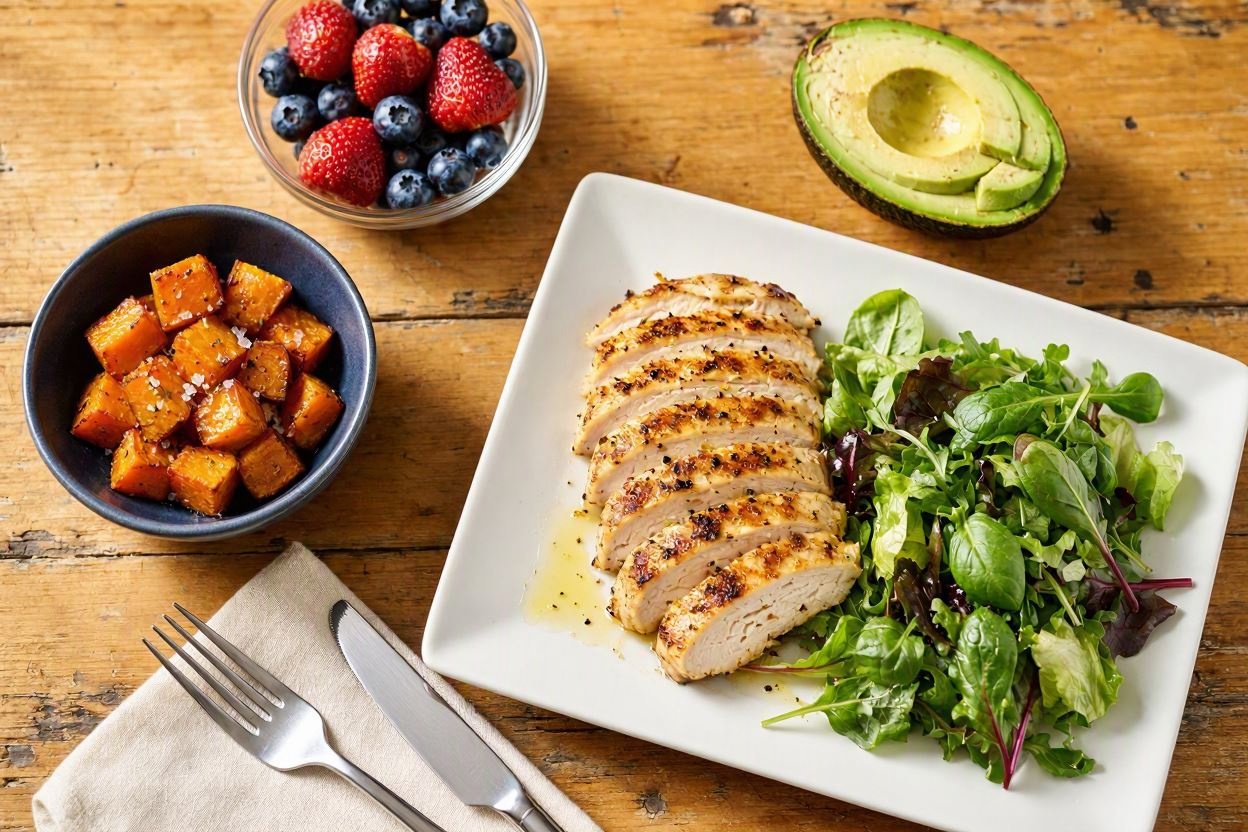
Diet Plan to Lose Weight Healthy: A Practical 7-Day Guide
Losing weight can feel overwhelming when every corner of the internet promises a miracle solution. The truth is simpler and far less flashy: a real diet plan to lose weight healthy is not about starvation, extreme restriction, or quick fixes. It’s about creating a sustainable calorie deficit, eating nutrient-dense foods, and building habits you can maintain for life — not just for two weeks.
In this guide, we’ll break down exactly how healthy weight loss works, what a realistic diet plan to lose weight in a healthy way looks like, which foods to prioritize, a full 7-day meal plan with macros, how to choose the right approach for your lifestyle, how to handle plateaus, and how to turn short-term results into long-term success.
Medical Disclaimer: This article is for general informational purposes only and is not a substitute for professional medical advice, diagnosis, or treatment. If you have underlying health conditions, are pregnant or breastfeeding, or are considering significant dietary changes, please consult a doctor or registered dietitian before starting any new diet plan.

Why “Healthy” Matters More Than “Fast”
Crash diets and extreme calorie cuts might show quick numbers on the scale, but they rarely last. Most of that early weight loss is water and muscle, not fat, and it usually comes back — often with extra pounds attached — once normal eating resumes. This cycle, sometimes called “yo-yo dieting,” can slow your metabolism over time and make future weight loss harder.
A genuinely healthy diet plan to lose weight focuses on:
- Gradual, steady progress — typically 0.5 to 1 kg (1-2 lbs) per week
- Preserving muscle mass while losing fat
- Meeting your nutritional needs so you have energy, focus, and stable mood
- Building habits that last, not a temporary phase you “get through”
This slower approach isn’t just safer — research consistently shows it leads to better long-term maintenance of weight loss compared to rapid, restrictive diets. People who lose weight gradually are also less likely to experience the hair thinning, fatigue, gallstone risk, and muscle loss commonly associated with very-low-calorie crash diets.
The Science Behind Every Diet Plan to Lose Weight Healthy
At its core, weight loss comes down to energy balance. To lose weight, you need to consistently consume fewer calories than your body burns — this is called a calorie deficit. However, how you create that deficit matters enormously for your health, hunger levels, and long-term success.
How to Calculate Your Needs
- Estimate your maintenance calories — the number of calories your body needs to maintain its current weight, based on age, sex, height, weight, and activity level. Online TDEE (Total Daily Energy Expenditure) calculators can give you a solid starting estimate.
- Create a moderate deficit — cutting 300-500 calories per day from your maintenance level typically results in the recommended 0.5-1 kg weekly loss.
- Avoid extreme deficits — dropping too low (under 1,200 calories for most women or 1,500 for most men without medical supervision) can lead to nutrient deficiencies, muscle loss, fatigue, and a higher risk of binge eating.
Rather than obsessing over exact numbers, use this as a general framework and adjust based on how your body responds over several weeks.
Why Some Weeks Show No Progress
It’s worth understanding early that weight loss is rarely a straight line. Water retention from sodium intake, hormonal cycles, stress, and even the timing of your last meal before weighing in can shift the number on the scale by 1-2 kg in either direction. This is completely normal and does not mean your diet plan isn’t working — it means the scale is a noisy, short-term measurement tool.
Macronutrients: Building a Balanced Plate
A truly healthy diet plan doesn’t just count calories — it pays attention to what those calories are made of. The three macronutrients — protein, carbohydrates, and fats — each play a distinct role in any effective diet plan to lose weight healthy.
| Macronutrient | Main Role | Good Sources | Daily Guideline |
|---|---|---|---|
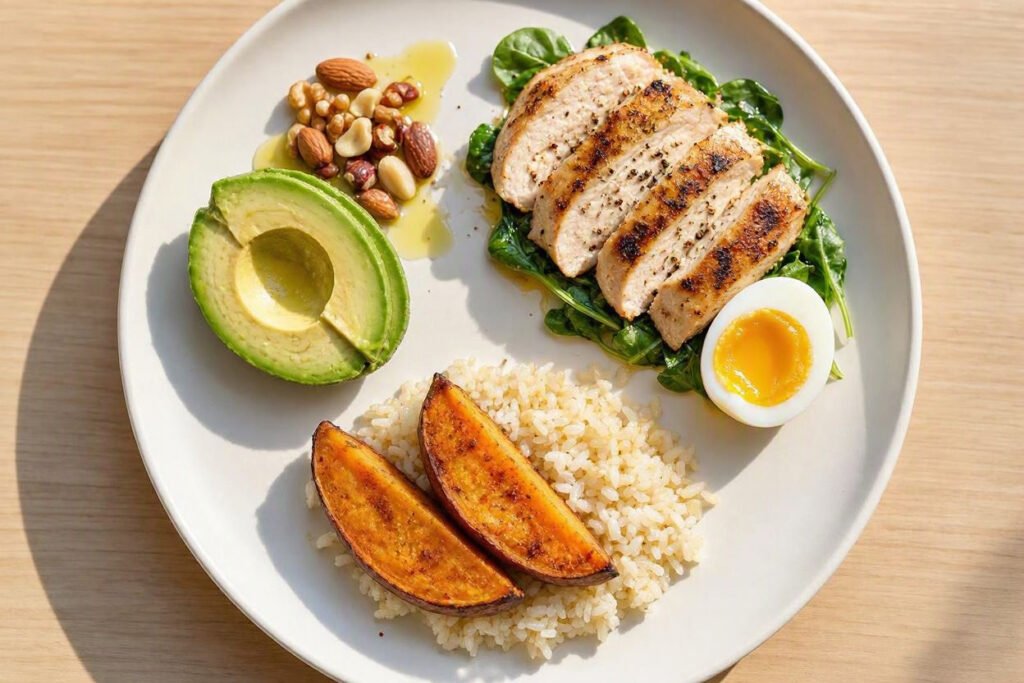
| Protein | Preserves muscle, increases fullness | Chicken, turkey, eggs, Greek yogurt, fish, tofu, lentils, beans | 1.2-2.0 g per kg body weight |
| Carbohydrates | Provides energy, fuels brain and workouts | Oats, quinoa, brown rice, sweet potatoes, fruits, vegetables | 45-55% of total calories |
| Fats | Supports hormones, vitamin absorption, satiety | Avocado, olive oil, nuts, seeds, fatty fish | 20-35% of total calories |
Protein: The Hunger and Muscle Ally
Protein is arguably the most important macronutrient during weight loss. It helps preserve lean muscle mass while you’re in a calorie deficit, keeps you feeling full longer, and has a higher “thermic effect” (your body burns more calories digesting it compared to fats or carbs).
Carbohydrates: Your Energy Source
Carbs get an unfair reputation, but they’re your body’s preferred energy source, especially for workouts and brain function. The key is choosing complex, fiber-rich carbs over refined ones like white bread, sugary cereals, and pastries.
Fats: Not the Enemy
Dietary fat is essential for hormone production, vitamin absorption, and satiety. Cutting fat too aggressively can backfire, leaving you hungrier and craving more.
Sample 7-Day Diet Plan to Lose Weight Healthy
Below is a general template for a balanced diet plan to lose weight healthy. Portion sizes should be adjusted to your individual calorie target.
| Day | Breakfast | Lunch | Dinner | Snack |
|---|---|---|---|---|
| 1 | Greek yogurt with berries and chia seeds | Grilled chicken salad, mixed greens, olive oil dressing | Baked salmon, steamed broccoli, quinoa | Handful of almonds |
| 2 | Oatmeal with banana and cinnamon | Turkey and vegetable wrap, whole grain tortilla | Stir-fried tofu, mixed vegetables, brown rice | Carrot sticks with hummus |
| 3 | Scrambled eggs, spinach, whole grain toast | Lentil soup with side salad | Grilled lean beef, roasted sweet potato, green beans | Apple with peanut butter |
| 4 | Smoothie: spinach, protein powder, berries, almond milk | Quinoa bowl, chickpeas, cucumber, tomato, feta | Baked cod, asparagus, wild rice | Greek yogurt |
| 5 | Cottage cheese with pineapple | Grilled chicken, brown rice, mixed vegetables | Vegetable and bean chili | Small handful of walnuts |
| 6 | Whole grain toast, avocado, poached egg | Tuna salad, olive oil, mixed greens | Turkey meatballs, zucchini noodles | Orange slices |
| 7 | Overnight oats, berries, flaxseed | Grilled shrimp tacos, corn tortillas, cabbage slaw | Roasted chicken, steamed vegetables, quinoa | Dark chocolate (few squares) |
This plan emphasizes whole foods, lean protein, and fiber-rich carbohydrates while leaving room for flexibility and enjoyment — a key feature of any sustainable diet plan to lose weight healthy.
Adjusting Portions for Your Calorie Target
If your calculated calorie target is higher (e.g., you’re more active or have a larger frame), simply increase portion sizes proportionally — more rice, an extra egg, a larger handful of nuts. If your target is lower, reduce starchy sides slightly and increase vegetable volume so you stay full without exceeding your calories.
Foods to Prioritize vs. Foods to Limit
| Prioritize | Limit |
|---|---|
| Leafy greens (spinach, kale, arugula) | Sugary drinks and sodas |
| Lean proteins (chicken, fish, legumes) | Ultra-processed snacks (chips, cookies) |
| Whole grains (oats, quinoa, brown rice) | Fried foods and trans fats |
| Legumes (beans, lentils, chickpeas) | Excessive alcohol |
| Fruits and vegetables | Refined white bread and pastries |
| Healthy fats (avocado, nuts, olive oil) | Skipping meals |
| Water | Eating while distracted (screens) |
Choosing the Right Diet Plan for Your Lifestyle
Not every healthy diet plan looks the same, and that’s a good thing — the best plan is the one you can actually stick to.
If You Have a Busy Schedule
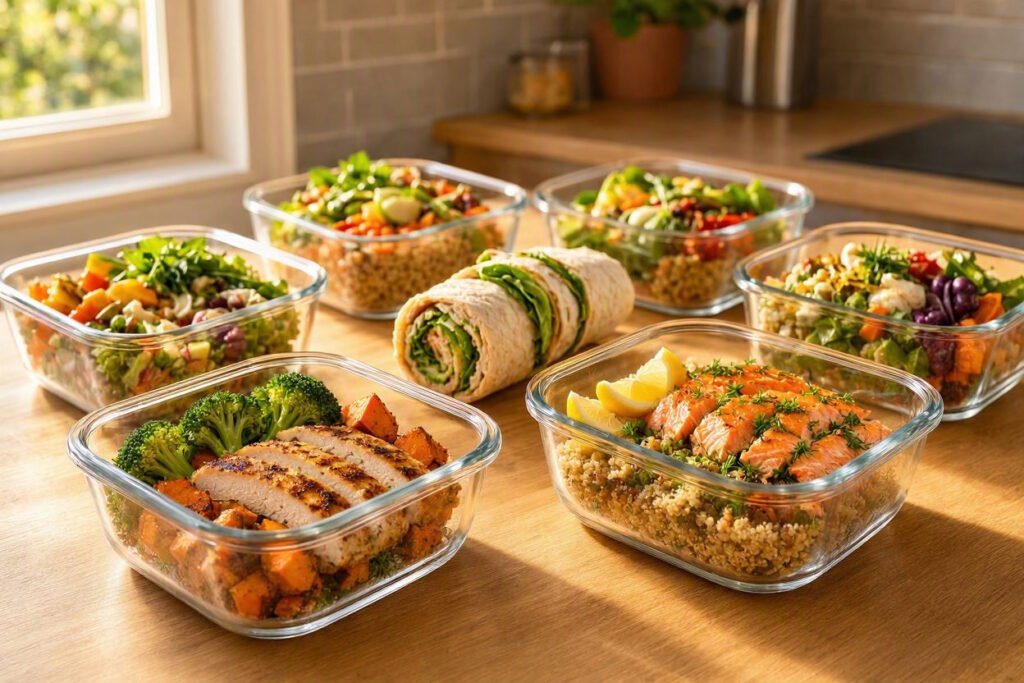
Batch-cook proteins and grains once or twice a week, and lean on simple combinations (protein + vegetable + whole grain) rather than complex recipes.
If You Eat Out Often
Look for grilled over fried options, ask for dressings and sauces on the side, and fill half your plate with vegetables whenever possible.
If You’re Vegetarian or Vegan
Focus on combining plant proteins (lentils, chickpeas, tofu, tempeh, edamame) with whole grains to ensure a complete amino acid profile, and consider a B12 supplement, which is difficult to obtain from plant foods alone.
The Role of Exercise in a Weight Loss Diet Plan
While diet plays the larger role in weight loss (often summarized as “abs are made in the kitchen”), physical activity significantly supports the process:
- Strength training helps preserve and build muscle, which keeps your metabolism higher even at rest
- Cardiovascular exercise (walking, cycling, swimming) burns additional calories and supports heart health
- Daily movement (NEAT) — non-exercise activity like taking stairs, walking, or gardening — can add up significantly over a week
A combination of 2-3 strength sessions and 150+ minutes of moderate cardio per week is a commonly recommended target for general health and weight management, though this should be adjusted to your fitness level and any medical considerations.

Sleep, Stress, and Hormones: The Overlooked Pillars
Diet and exercise get most of the attention, but two other factors heavily influence the success of any diet plan to lose weight healthy:
Sleep: Poor sleep disrupts hunger hormones (ghrelin and leptin), often increasing appetite and cravings for high-calorie foods. Aim for 7-9 hours per night.
Stress: Chronic stress raises cortisol levels, which can promote fat storage, particularly around the abdomen, and trigger emotional eating. Simple stress-management techniques — deep breathing, walking, journaling, or hobbies — can meaningfully support your weight loss efforts.
Tracking Progress Beyond the Scale
The scale is only one data point, and often not the most useful one. Consider tracking:
- Body measurements (waist, hips, thighs) monthly
- Progress photos under consistent lighting every 2-4 weeks
- How clothes fit
- Energy levels and workout performance
- Sleep quality
These indicators often show progress weeks before the scale reflects meaningful change, especially if you’re building muscle alongside losing fat.
Breaking Through a Weight Loss Plateau
Almost everyone hits a plateau — a period of several weeks where weight loss stalls despite consistent effort. This is a normal physiological response as your metabolism adjusts to a lower body weight. Helpful strategies include:
- Reassessing your calorie needs (your maintenance calories decrease as you lose weight)
- Adding or varying strength training to preserve/build muscle
- Ensuring you’re not underestimating portion sizes (“calorie creep”)
- Managing stress and prioritizing sleep, both of which affect plateau-breaking hormones
- Being patient — plateaus often resolve on their own within a few weeks if you stay consistent
Do You Need Supplements?
For most people following a healthy diet plan to lose weight, supplements are not required — whole foods should be the foundation. That said, some may benefit from:
- Vitamin D, especially in winter months or with limited sun exposure
- Omega-3s, if fish intake is low
- Vitamin B12, for those on a vegetarian or vegan diet
- A basic multivitamin, as a safety net during a calorie deficit
Always consult a healthcare provider before starting any supplement, as needs vary and some can interact with medications.
Special Considerations for Different Groups
Weight Loss After Age 40
Metabolism naturally slows with age, and muscle mass tends to decline. Prioritizing protein intake and strength training becomes even more important to preserve lean mass and support a healthy metabolic rate.
Weight Loss with PCOS or Insulin Resistance
Some individuals may benefit from a slightly lower-carbohydrate approach and consistent meal timing to help manage blood sugar and insulin levels — always in consultation with a doctor.
Postpartum Weight Loss
Nutritional needs are higher during breastfeeding, and rapid weight loss is not recommended. A gradual approach, with medical guidance, protects both maternal health and milk supply.
Common Mistakes That Derail Healthy Weight Loss
- Being too restrictive too fast — leads to burnout and binge eating
- Cutting out entire food groups without medical reason — often unnecessary and unsustainable
- Ignoring portion sizes even with “healthy” foods — calories still count
- Weighing yourself daily and panicking over fluctuations — weight naturally varies day to day due to water, hormones, and digestion
- Comparing your progress to others — everyone’s body responds differently
- Not planning ahead — lack of prepared meals often leads to impulsive, less healthy choices
Tips for Making Your Diet Plan Sustainable
- Meal prep on weekends to avoid last-minute unhealthy decisions
- Keep a simple food journal or use a tracking app for awareness, not obsession
- Allow flexibility — an all-or-nothing mindset often leads to giving up entirely after one “bad” meal
- Focus on non-scale victories — energy levels, sleep quality, clothing fit, and strength gains
- Build a support system — friends, family, or online communities can help with accountability
- Reassess every few weeks — as you lose weight, your calorie needs will change slightly
If you notice your motivation slipping along the way, that’s completely normal — see our guide on staying motivated to lose weight for practical ways to push through it.
Frequently Asked Questions
How many calories should I eat to lose weight healthily?
This varies by individual, but a moderate deficit of 300-500 calories below your maintenance level is generally considered safe and effective for gradual weight loss.
Can I lose weight without exercising?
Yes, diet alone can create a calorie deficit sufficient for weight loss. However, exercise supports muscle retention, metabolic health, and long-term maintenance.
How fast should I expect to lose weight on a healthy diet plan?
A healthy, sustainable rate is typically 0.5-1 kg (1-2 lbs) per week. Faster loss often signals muscle and water loss rather than fat loss.
Do I need to cut out carbs completely?
No. Complex carbohydrates like oats, quinoa, and vegetables are important for energy and fiber. The focus should be on reducing refined carbs, not eliminating carbs altogether.
Is intermittent fasting necessary for a diet plan to lose weight healthy?
Intermittent fasting can be one useful tool for some people, but it’s not required. What matters most is overall calorie balance and food quality, regardless of eating window.
What is the safest diet plan to lose weight healthy long-term?
The safest approach combines a moderate calorie deficit, balanced macronutrients, regular movement, adequate sleep, and flexibility — not any single “trendy” diet.
Why did my weight loss suddenly stop?
This is called a plateau and is a normal part of the process. See the section above on breaking through a weight loss plateau for practical steps.
Can stress really prevent weight loss?
Yes — chronic stress raises cortisol, which can increase appetite, cravings, and abdominal fat storage, making an otherwise solid diet plan less effective.
Final Thoughts
A genuinely healthy diet plan to lose weight isn’t about punishing your body — it’s about nourishing it while creating a modest, sustainable calorie deficit. Prioritize whole foods, adequate protein, regular movement, quality sleep, and stress management, and give yourself grace along the way. Weight loss is rarely linear, but consistency over weeks and months will get you to lasting results far more reliably than any quick fix.
If you have specific health conditions, are on medication, or have a complex relationship with food, working with a registered dietitian or your doctor can help tailor this general framework to your individual needs.
Health Disclaimer
This article is based on general wellness and nutrition information and is intended for educational purposes only. It does not constitute medical advice, diagnosis, or treatment. Always consult a licensed healthcare provider before making changes to your diet, supplements, or weight loss routine. For more details, see our Medical Disclaimer.
Related reading: Motivational Phrases for Weight Loss · Browse all our Weight Loss Guides.
Sources
- Mayo Clinic — Weight Loss: 6 Strategies for Success
- Centers for Disease Control and Prevention (CDC) — Tips for Maintaining Healthy Weight
- Harvard Health Publishing — What Is a Healthy Body Fat Percentage?
- UCLA Health — Bad News for Insomniacs: ‘Hunger Hormones’ Affected by Poor Sleep
Written by Chloe MacAllister, Certified Sports Nutritionist · Last updated September 2026