
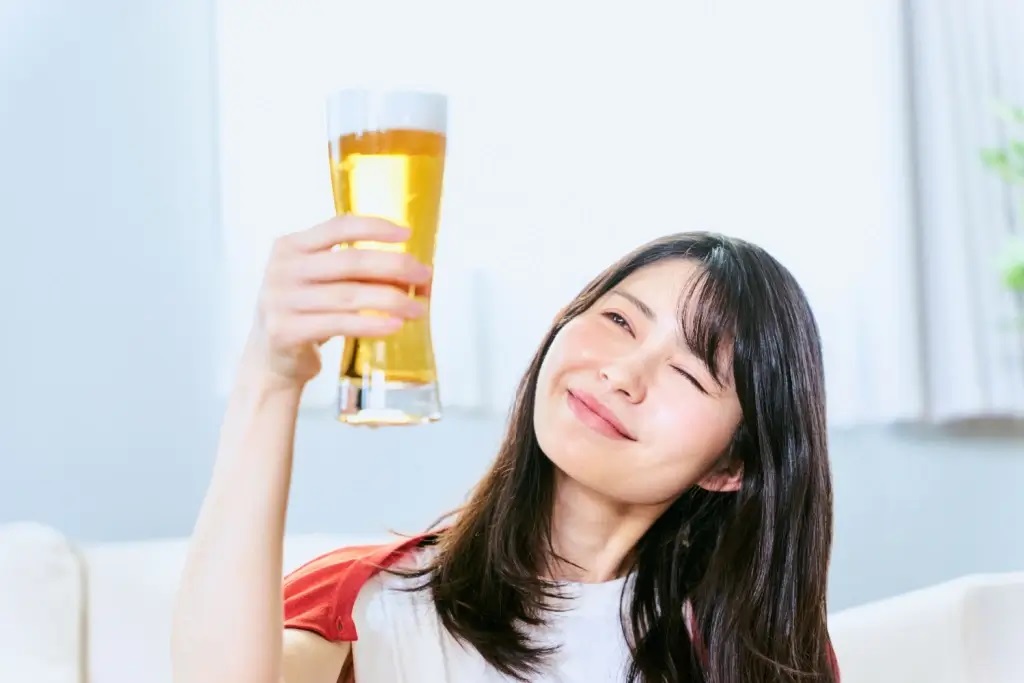
Low calories non alcoholic beer is becoming one of the fastest-growing beverage categories worldwide as consumers search for healthier alternatives to traditional beer. These beverages typically contain less than 0.5% alcohol by volume (ABV) while delivering between 50 and 80 calories per serving, making them appealing for weight management, fitness lifestyles, and responsible social drinking.
Modern brewing technology allows low calories non alcoholic beer to closely replicate traditional beer flavor, aroma, bitterness, and carbonation. As wellness trends continue shaping consumer drinking habits, alcohol-free beer has evolved from a niche product into a premium beverage category enjoyed by athletes, professionals, and social drinkers seeking balance between enjoyment and health.
Quick Definition
Low calorie alcohol-free beer is a brewed beverage containing less than 0.5% alcohol and typically under 80 calories per serving.
Why Low Calories Non Alcoholic Beer and Alcohol-Free Beer Are Rapidly Growing Worldwide
The global alcohol-free beer market has experienced rapid expansion as consumer drinking habits shift toward wellness, moderation, and lifestyle flexibility. Low calories non alcoholic beer has become especially popular among health-conscious consumers seeking alternatives that preserve traditional beer taste while reducing alcohol and calorie intake.
Several cultural and lifestyle trends contribute to this growth. Increasing fitness participation, workplace productivity expectations, and awareness of alcohol-related health effects are encouraging consumers to explore alcohol-free beverage options. Improved brewing technology has also significantly enhanced flavor quality, allowing modern alcohol-free beer to closely replicate traditional brewing profiles.
- Rising global health and wellness awareness
- Increased participation in sports and fitness lifestyles
- Growing interest in responsible social drinking
- Advancements in brewing and alcohol-removal technology
- Expanding premium alcohol-free beer brand availability
As beverage innovation continues evolving, low calories non alcoholic beer is expected to remain one of the fastest-growing segments in the global beer industry, appealing to both traditional beer drinkers and new wellness-focused audiences.
The Brewing Science Behind Low Calorie Alcohol-Free Beer
Producing low calorie alcohol-free beer requires advanced brewing expertise. Brewers aim to maintain the sensory experience of traditional beer while limiting alcohol production or removing alcohol after fermentation.
The brewing process typically begins with malted barley mixed with heated water to extract fermentable sugars, producing wort. Hops are added during boiling to provide bitterness, aroma, and flavor complexity. Yeast is then introduced to begin fermentation.
Controlled Fermentation
Some breweries use specially engineered yeast strains that naturally produce minimal alcohol. Others limit fermentation time to prevent full alcohol conversion while maintaining essential beer flavors.
Dealcoholization Technology
Premium alcohol-free beers are often brewed at full strength before alcohol is removed using vacuum distillation or reverse osmosis filtration. These techniques help preserve volatile aromatic compounds while reducing alcohol and calorie levels.
Key Brewing Insight: Modern alcohol-free beer achieves authentic taste by combining traditional brewing methods with advanced alcohol removal technology.
Nutritional Profile and Health Considerations
Alcohol-free beer contains significantly fewer calories and carbohydrates compared to traditional beer. Because alcohol contributes substantial calorie density, removing alcohol dramatically reduces total calorie intake.
According to the World Health Organization (WHO), alcohol consumption contributes additional empty calories that may influence long-term weight management and metabolic health, which is one reason lower-alcohol beverage alternatives are gaining attention among health-conscious consumers.
- Typically 50–70% fewer calories than regular beer
- Lower carbohydrate content depending on brewing method
- Hydration support without alcohol-related dehydration
- Contains natural antioxidant compounds derived from hops
- Often lower glycemic impact than traditional beer
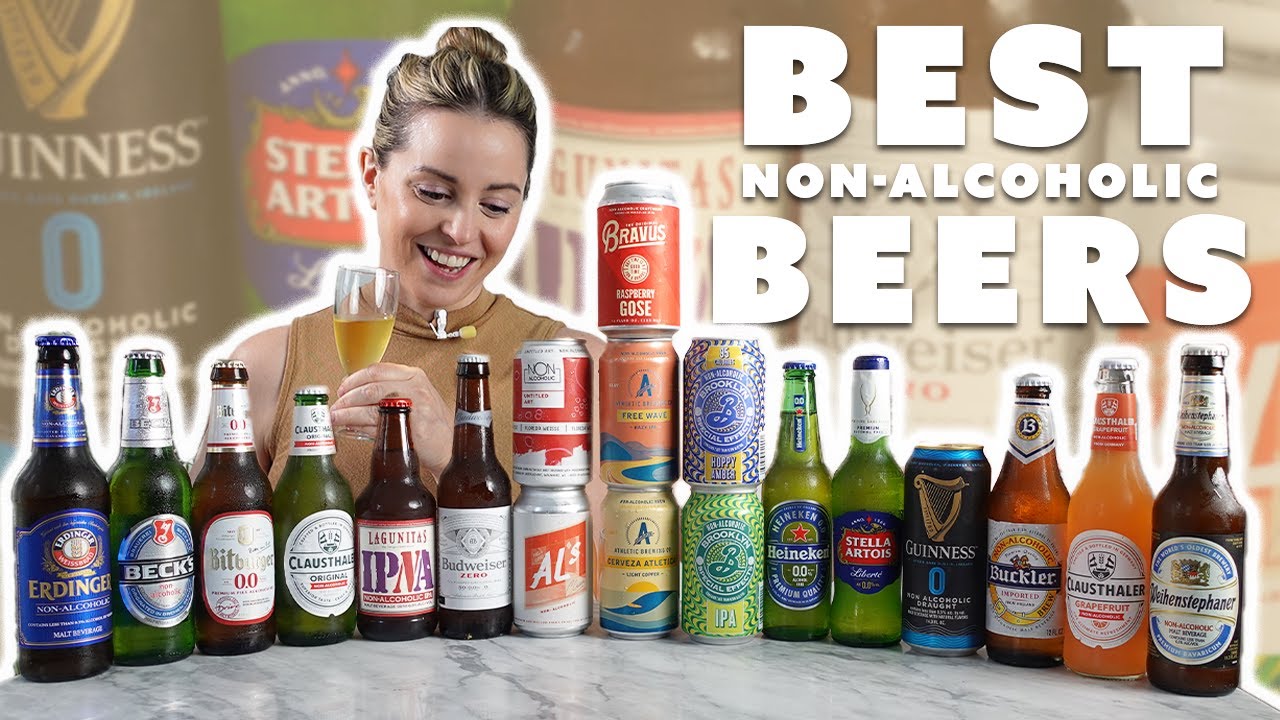
Best Low Calories Non Alcoholic Beer Brands With Full Taste
Heineken 0.0
This widely recognized alcohol-free lager provides balanced malt sweetness and gentle hop bitterness. It is known for maintaining a classic European lager taste profile while delivering moderate calorie content.
Athletic Brewing Run Wild IPA
This craft alcohol-free IPA delivers bold hop aroma, citrus flavor, and full-bodied texture while maintaining relatively low calorie content compared to traditional IPAs.
Clausthaler Original
Produced using traditional German brewing methods, this alcohol-free lager offers balanced malt complexity and smooth finish.
Budweiser Zero
This American-style alcohol-free lager focuses on smooth drinkability and one of the lowest calorie counts in the alcohol-free category.
Alcohol-Free Beer vs Regular Beer Calories
| Beverage Type | Average Calories | Alcohol Content |
|---|---|---|
| Regular Beer | 140–180 calories | 4.5% – 5% |
| Light Beer | 90–110 calories | 3% – 4% |
| Alcohol-Free Beer | 50–80 calories | 0.0% – 0.5% |
Taste and Flavor Profile of Alcohol-Free Beer
Modern alcohol-free beer closely replicates traditional beer sensory characteristics. Brewers balance malt sweetness, hop bitterness, carbonation levels, and mouthfeel to create a familiar drinking experience.
- Lager styles provide crisp and refreshing taste
- IPA varieties offer strong hop aroma and citrus flavor
- Wheat beers deliver smooth texture with subtle fruit notes
- Craft alcohol-free beers experiment with diverse hop blends
Flavor quality varies based on brewing technique, ingredient selection, and alcohol removal technology. Premium brands typically achieve superior aroma retention and balanced flavor complexity.
The Science of Taste in Low Calories Non Alcoholic Beer
The most significant challenge in producing low calories non alcoholic beer is maintaining authentic beer taste after reducing or removing alcohol. Alcohol plays an important role in traditional beer flavor because it contributes body, aroma retention, and mouthfeel. Without alcohol, brewers must carefully balance brewing ingredients and production techniques to recreate familiar sensory characteristics.
Modern alcohol-free brewing focuses heavily on flavor chemistry. Brewers analyze how malt sugars, hop oils, yeast fermentation compounds, and carbonation interact to influence aroma, bitterness, sweetness, and texture. By adjusting these elements, breweries can produce alcohol-free beer that closely resembles traditional beer profiles.
How Alcohol Influences Traditional Beer Flavor
Alcohol naturally enhances beer flavor by carrying aromatic compounds and contributing to mouthfeel. It helps dissolve hop oils and fermentation esters that produce fruit, citrus, floral, and herbal aromas. When alcohol is removed, these flavor compounds become more difficult to preserve, which historically made alcohol-free beer taste thin or overly sweet.
To overcome this challenge, modern breweries use specialized brewing techniques to maintain flavor balance. They often increase hop aroma intensity, adjust malt selection, or modify fermentation conditions to enhance complexity without increasing calorie content.
Malt Selection and Sweetness Balance
Malted barley provides the foundation of beer flavor by contributing natural sugars, color, and body. In alcohol-free beer production, brewers often use carefully selected malt blends to prevent excessive sweetness. Because fermentation may be limited or altered, residual sugars can remain in alcohol-free beer, which may increase calorie content or create unbalanced flavor.
Advanced brewing methods use specialty malts that produce rich flavor without excessive fermentable sugars. This helps create a fuller taste experience while maintaining lower calorie levels. Some breweries also use enzymatic control during mashing to influence sugar composition and calorie density.
Hop Aroma and Bitterness Control
Hops provide bitterness, aroma, and complexity in both traditional and alcohol-free beer. Brewers use hop varieties containing essential oils that produce citrus, pine, floral, or tropical fruit aromas. In alcohol-free brewing, hop timing and dosage become critical to maintaining balanced bitterness without overwhelming flavor.
Many alcohol-free beer producers use late-stage hop additions or dry hopping techniques to enhance aroma without increasing calorie levels. This approach allows breweries to create craft-style alcohol-free beers with rich flavor profiles comparable to full-strength beers.
Fermentation Chemistry and Flavor Compounds
Yeast fermentation produces essential flavor compounds including esters and phenols, which contribute fruity and spicy notes. In alcohol-free beer production, fermentation is often carefully controlled to limit alcohol formation while preserving flavor complexity.
Special yeast strains developed for alcohol-free brewing produce lower ethanol levels while still generating desirable aromatic compounds. This allows breweries to maintain traditional beer flavor characteristics while reducing alcohol and calorie content.
The Evolution of Alcohol-Free Brewing Technology
Alcohol-free beer has undergone significant technological evolution over the past century. Early alcohol-free beers were often criticized for weak flavor and watery texture due to limited brewing technology. Today, advances in fermentation science and alcohol removal techniques allow breweries to produce alcohol-free beer that rivals traditional beer quality.
Early Alcohol-Free Beer Production
Early alcohol-free beers were typically produced by stopping fermentation prematurely. While this method prevented alcohol formation, it often resulted in overly sweet and unbalanced flavor because yeast had insufficient time to convert sugars into flavor compounds.
These early brewing limitations contributed to negative consumer perception of alcohol-free beer. Many drinkers associated alcohol-free options with poor taste quality and limited style variety.
Modern Dealcoholization Methods
Modern breweries now use advanced alcohol removal technologies that allow beer to be brewed normally before alcohol extraction. Two of the most widely used methods include vacuum distillation and reverse osmosis filtration.
Vacuum distillation removes alcohol at lower temperatures, which helps preserve delicate aroma compounds. Reverse osmosis filtration separates alcohol molecules while maintaining most flavor components. These techniques allow alcohol-free beer to maintain authentic taste, improved texture, and consistent quality.
Craft Brewing Influence on Alcohol-Free Beer
The craft beer movement has significantly influenced alcohol-free beer innovation. Craft brewers focus heavily on flavor experimentation, hop diversity, and brewing creativity. This innovation has expanded alcohol-free beer beyond traditional lager styles to include IPAs, wheat beers, stouts, and seasonal craft varieties.
As consumer demand continues to grow, many craft breweries now invest heavily in alcohol-free beer development, leading to rapid improvement in taste quality and product variety.
Industry Insight: The combination of craft brewing innovation and advanced alcohol removal technology has transformed alcohol-free beer from a niche product into a premium beverage category.
Research Context: Studies in nutrition and alcohol metabolism consistently show that reducing alcohol intake can lower overall calorie consumption and support long-term wellness goals. Beverage industry research also confirms rapid global growth in alcohol-free beer driven by health-conscious consumer behavior and brewing innovation.
Why Flavor Quality Continues Improving
Continuous research in brewing science and fermentation technology is improving alcohol-free beer quality each year. Brewers now use data-driven sensory analysis, ingredient optimization, and advanced filtration systems to refine flavor stability and aroma preservation.
Consumer demand for premium alcohol-free beer continues driving innovation, encouraging breweries to invest in research, product development, and brewing precision. As a result, modern alcohol-free beer options now provide flavor experiences comparable to many traditional beer styles while maintaining lower calorie content and reduced alcohol levels.
Low Calories Non Alcoholic Beer and Weight Management
Weight management is a major factor influencing beverage choices. Traditional beer often contains significant calories derived from both alcohol and residual sugars. Alcohol-free beer generally contains fewer calories because alcohol itself is a calorie-dense compound.
Reducing alcohol intake can significantly lower daily calorie consumption. Many consumers replace traditional beer with low-calorie alcohol-free options to reduce caloric intake while maintaining social drinking habits.
How Alcohol Contributes to Calorie Intake
Alcohol contains approximately seven calories per gram, which is higher than carbohydrates and protein. In traditional beer, alcohol content significantly increases total calorie levels. Removing or reducing alcohol lowers the beverage’s overall caloric density.
However, calorie content in alcohol-free beer still depends on brewing methods and sugar retention. Premium low-calorie alcohol-free beers carefully balance fermentation and ingredient selection to minimize residual sugars while preserving flavor.
Supporting Active Lifestyle Goals
Many consumers use alcohol-free beer as a recovery or social beverage after exercise or outdoor activities. While alcohol can interfere with muscle recovery and hydration balance, alcohol-free beer allows individuals to participate in social traditions without negatively impacting fitness goals.
Some alcohol-free beers also contain electrolytes and micronutrients derived from brewing ingredients, which can support hydration and recovery when consumed responsibly.
When People Choose Low Calories Non Alcoholic Beer
Alcohol-free beer is no longer limited to specific health or lifestyle groups. It is now consumed in a wide variety of situations where individuals want to enjoy beer flavor without alcohol effects.
Social Gatherings and Events
Many people choose alcohol-free beer during social events where they want to participate in group drinking traditions while maintaining mental clarity and personal safety. Alcohol-free options allow individuals to enjoy celebrations without concerns about impaired judgment or next-day fatigue.
Work and Professional Settings
Professional networking events and business gatherings increasingly offer alcohol-free beverage options. Low-calorie alcohol-free beer provides a socially familiar beverage choice that allows participants to remain focused and productive.
Sports and Outdoor Activities
Alcohol-free beer has become popular after sporting events, hiking, cycling, and outdoor recreation. Consumers appreciate the refreshing taste and social tradition of beer while avoiding dehydration and performance reduction associated with alcohol.
The Expanding Global Alcohol-Free Beer Market
The alcohol-free beer industry continues expanding across international markets. Breweries are investing heavily in product innovation, marketing, and research to meet increasing consumer demand. Market analysts project steady growth as wellness-focused lifestyles and moderate drinking habits become more widespread.
Supermarkets, specialty beverage stores, restaurants, and bars now offer broader selections of alcohol-free beer than ever before. This increased availability makes alcohol-free beer more accessible to mainstream consumers.
Premium and Craft Alcohol-Free Beer Expansion
Premium and craft breweries are driving product diversity in alcohol-free beer. These breweries experiment with new hop varieties, brewing techniques, and flavor combinations, creating alcohol-free beer options that appeal to experienced beer drinkers and craft beer enthusiasts.
The growing variety of styles, including alcohol-free IPAs, stouts, wheat beers, and seasonal releases, continues expanding consumer interest and market growth.
Common Myths About Low Calories Non Alcoholic Beer
Myth 1: Alcohol-Free Beer Has No Flavor
Modern brewing technology allows alcohol-free beer to maintain complex flavor profiles comparable to traditional beer. Advances in fermentation control, hop selection, and alcohol removal technology have significantly improved taste quality.
Myth 2: Alcohol-Free Beer Contains No Alcohol at All
Most alcohol-free beers contain trace alcohol levels, typically below 0.5% ABV. This level is considered non-intoxicating and complies with alcohol-free labeling regulations in many countries.
Myth 3: Alcohol-Free Beer Always Contains More Sugar
While some alcohol-free beers contain residual sugars, modern brewing techniques allow many brands to control sugar content effectively. Low-calorie alcohol-free beer options are specifically designed to balance flavor and nutritional value.
Consumer Insight: Alcohol-free beer is increasingly viewed as a lifestyle beverage rather than a substitute product, reflecting changing attitudes toward wellness and social drinking.
How To Choose the Best Low Calories Non Alcoholic Beer
Choosing the right low calories non alcoholic beer depends on taste preference, nutritional goals, and lifestyle needs. Modern alcohol-free beers vary significantly in flavor intensity, brewing method, and ingredient composition, making it important to understand how to evaluate different options.
Consumers should consider several key factors before selecting a product, including calorie content, brewing quality, flavor profile, and ingredient transparency. Evaluating these elements helps ensure a satisfying drinking experience while supporting personal wellness goals.
Check Calorie Content and Nutritional Labeling
Calorie levels vary between alcohol-free beer brands. Premium low-calorie options typically contain between 40 and 70 calories per serving, while standard alcohol-free beers may contain slightly higher values. Consumers focused on weight management should carefully review nutritional labels and serving sizes before purchasing.
Understanding carbohydrate and sugar levels is equally important. Lower sugar levels often indicate advanced fermentation techniques designed to maintain flavor while reducing caloric density.
Evaluate Brewing Method and Ingredient Quality
High-quality alcohol-free beers are typically brewed using traditional fermentation methods followed by advanced alcohol removal techniques. This process preserves flavor complexity while maintaining authenticity.
Ingredient transparency is another strong indicator of product quality. Premium alcohol-free beers often use natural brewing ingredients such as barley malt, hops, yeast, and water without artificial additives or flavor enhancers.
Choose Flavor Profile Based on Personal Preference
Alcohol-free beers are available in multiple styles, including lagers, IPAs, wheat beers, and stouts. Each style offers different bitterness levels, aroma complexity, and mouthfeel characteristics. Trying multiple styles helps consumers identify their preferred flavor balance.
Comparison: Low Calories Non Alcoholic Beer vs Regular Beer
| Feature | Low Calories Non Alcoholic Beer | Regular Beer |
|---|---|---|
| Alcohol Content | 0.0% – 0.5% ABV | 4% – 6% ABV (average) |
| Calorie Content | Typically 40 – 70 calories | Typically 150 – 220 calories |
| Hydration Impact | Minimal dehydration | Can contribute to dehydration |
| Mental Clarity | No intoxication | Impairment possible |
| Fitness Compatibility | Supports active lifestyle | May interfere with recovery |
Expert Tips for Enjoying Low Calories Non Alcoholic Beer
- Serve alcohol-free beer chilled to enhance flavor balance and refreshment.
- Use proper glassware to improve aroma and carbonation perception.
- Pair alcohol-free beer with foods that complement bitterness and malt sweetness.
- Experiment with different beer styles to discover personal taste preferences.
- Store alcohol-free beer in cool, dark environments to preserve freshness.
Future Trends in Low Calories Non Alcoholic Beer
The alcohol-free beer industry continues evolving rapidly as brewing technology advances. Future trends are expected to include improved fermentation efficiency, expanded craft beer experimentation, and greater nutritional optimization. Breweries are investing heavily in research and development to create alcohol-free beers that match or exceed traditional beer flavor quality.
Consumer interest in wellness-focused beverages is expected to continue driving market growth. Alcohol-free beer is increasingly viewed as a mainstream beverage category rather than a niche alternative, ensuring continued innovation and product diversity.
Brand Comparison Overview
| Brand | Calories | ABV | Style |
|---|---|---|---|
| Heineken 0.0 | 69 | 0.0% | Lager |
| Athletic Run Wild IPA | 65 | <0.5% | IPA |
| Clausthaler Original | 89 | <0.5% | German Lager |
| Budweiser Zero | 50 | 0.0% | American Lager |
Can Alcohol-Free Beer Support Weight Management?
Replacing traditional beer with alcohol-free alternatives may reduce daily calorie intake. Because ethanol provides a high energy load relative to other nutrients, reducing alcohol intake can meaningfully lower total calorie consumption.
While alcohol-free beer still contains carbohydrates and calories, moderate consumption can support calorie reduction goals when replacing higher-calorie alcoholic beverages.
Weight Management Insight: Substituting regular beer with alcohol-free options may significantly reduce overall calorie consumption while preserving social drinking habits.
Alcohol-Free Beer and Athletic Recovery
Sports nutrition specialists increasingly examine alcohol-free beer as part of post-exercise hydration strategies. Alcohol can impair muscle recovery and sleep quality, while alcohol-free beer allows athletes to maintain familiar drinking rituals without alcohol-related performance drawbacks.
Research published by the National Institutes of Health (NIH) shows that alcohol consumption can interfere with muscle recovery and hydration balance following exercise, which is why alcohol-free beer is increasingly explored as a social recovery beverage among endurance athletes.
Alcohol-free beer also contains small amounts of electrolytes and carbohydrates that may support hydration and energy replenishment following endurance exercise.
Food Pairing With Alcohol-Free Beer
Alcohol-free beer pairs well with a wide variety of foods, similar to traditional beer styles. Matching beer style with food flavor intensity enhances overall dining experience.
- Lagers pair well with grilled chicken, seafood, and salads
- IPAs complement spicy dishes and strong-flavored cheeses
- Wheat beers match light pasta dishes and fresh vegetables
- Craft alcohol-free beers pair with gourmet burgers and barbecue meals
Serving and Storage Tips
- Serve alcohol-free lagers between 3°C and 6°C
- Serve IPAs slightly warmer to enhance aroma complexity
- Store bottles in cool, dark environments
- Avoid prolonged heat exposure to preserve carbonation and flavor
- Consume fresh for optimal taste quality
Lifestyle and Safety Benefits
- Supports responsible driving choices
- Reduces alcohol-related health risks
- Provides social drinking flexibility
- Supports professional and athletic lifestyle balance
- May help reduce alcohol dependency habits
Frequently Asked Questions About Low Calories Non Alcoholic Beer
What is considered low calories non alcoholic beer?
Low calories non alcoholic beer typically contains less than 0.5% alcohol and usually ranges between 40 and 80 calories per serving, depending on brewing method and ingredients.
Is low calories non alcoholic beer healthier than regular beer?
Alcohol-free beer generally contains fewer calories and eliminates alcohol-related health risks, making it a popular option for individuals seeking balanced drinking alternatives.
Can low calories non alcoholic beer help with weight loss?
Replacing traditional beer with alcohol-free beer may reduce daily calorie intake and support weight management goals when combined with balanced nutrition and active lifestyle habits.
Does alcohol-free beer affect athletic performance?
Alcohol-free beer avoids alcohol-related dehydration and recovery impairment, which is why some athletes include it as a post-exercise social beverage.
Does low calories non alcoholic beer taste like traditional beer?
Modern brewing technology allows alcohol-free beer to closely replicate traditional beer taste, although minor flavor differences may exist depending on brewing techniques and brand formulation.
Final Thoughts on Low Calories Non Alcoholic Beer
Low calories non alcoholic beer represents a major transformation in modern beverage culture. Advances in brewing technology now allow breweries to deliver authentic beer flavor while significantly reducing alcohol and calorie content, making these beverages appealing to health-conscious consumers and socially responsible drinkers.
As demand for alcohol-free alternatives continues to grow, many consumers are choosing non alcoholic beer as part of balanced lifestyle routines that support fitness goals, responsible driving, and long-term wellness. Improved brewing innovation and expanding product variety continue strengthening the appeal of these beverages worldwide.
Whether selected for weight management, athletic recovery, or social flexibility, alcohol-free beer offers a practical and enjoyable alternative to traditional alcoholic drinks while maintaining the familiar taste experience beer enthusiasts appreciate.
Author Expertise and Editorial Transparency
This article is developed using brewing science research, beverage industry production data, and nutrition-focused beverage studies. Editorial review emphasizes alcohol moderation education, brewing technology analysis, and consumer wellness trends. Content is periodically updated to reflect brewing innovation and global alcohol-free beverage market development.