
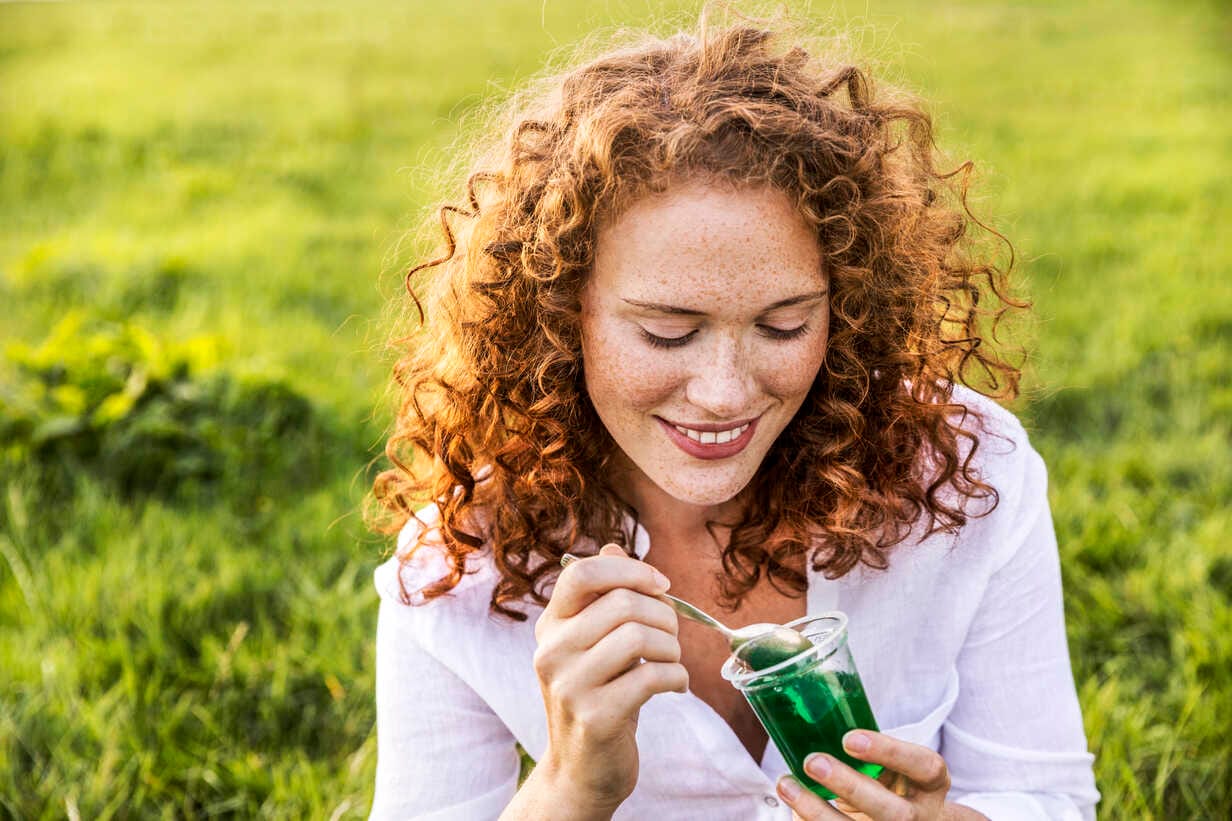
Finding desserts that satisfy sweet cravings while supporting a healthy lifestyle can be challenging. Many traditional sweets contain high amounts of sugar and calories, making them difficult to include in balanced eating plans. Fortunately, low calorie jelly offers a refreshing and flavorful alternative that allows you to enjoy dessert without compromising your health goals.
This light, fruity treat has become increasingly popular among people focused on weight management, sugar reduction, and healthier food choices. With its soft texture, vibrant colors, and wide variety of flavors, it provides the same enjoyment as traditional jelly but with significantly fewer calories.
In this complete guide, you’ll learn what low calorie jelly is, its benefits, ingredients, nutritional value, types, recipes, and expert tips for choosing the best options.
What Is Low Calorie Jelly?
Low calorie jelly is a reduced-sugar dessert made using gelatin or plant-based gelling agents combined with sugar substitutes instead of traditional refined sugar. It delivers the same jiggly consistency and fruity taste as regular jelly while containing fewer calories and carbohydrates.
Most sugar-free jelly desserts contain between 5 and 20 calories per serving, depending on ingredients and preparation methods. Because of its low energy value, it is widely used in diet-friendly meal plans and healthy snack options.
Low calorie jelly is commonly available in ready-to-eat cups, powdered mixes, or homemade versions. Many brands now focus on creating products that support modern dietary needs, including keto, diabetic-friendly, and vegan lifestyles.
Why Low Calorie Jelly Is a Healthy Dessert Choice
Supports Weight Management
Replacing traditional high-sugar desserts with lighter alternatives helps reduce daily calorie intake. This allows individuals to enjoy dessert while maintaining a calorie deficit, which is essential for weight loss and long-term weight maintenance.
Helps Reduce Sugar Intake
Traditional jelly often contains large amounts of refined sugar. Sugar-free alternatives use sweeteners such as stevia, erythritol, sucralose, or aspartame to maintain sweetness while reducing sugar intake. This makes them suitable for individuals monitoring blood glucose levels or following low-sugar diets.
Supports Hydration
Jelly desserts contain a high percentage of water, which can support hydration. This is especially beneficial during warmer seasons or after physical exercise when fluid intake becomes important.
Helps Control Sweet Cravings
Restrictive diets often fail because of strong dessert cravings. Including light fruit desserts can help satisfy those cravings while supporting healthier eating habits and preventing overconsumption of high-calorie foods.
Easy to Include in Healthy Diets
Reduced-calorie jelly can be eaten alone or combined with yogurt, fruits, or other nutritious ingredients, making it flexible for various meal plans.
Low Calorie Jelly Nutrition Facts
Although exact nutritional content varies by brand and recipe, most low calorie jelly products share similar nutritional benefits.
Typical Nutrition Per Serving
- 5 to 20 calories
- Minimal or zero sugar
- Very low fat content
- Small protein content from gelatin
- High water content
These characteristics make sugar-free jelly a popular low calorie dessert option for individuals following calorie-controlled meal plans.
Ingredients Used in Sugar-Free Jelly
Gelatin and Plant-Based Alternatives
Gelatin is responsible for jelly’s signature texture. It is derived from collagen and contains small amounts of protein. Vegan alternatives replace gelatin with plant-based options such as agar-agar or carrageenan, which provide a similar texture while remaining suitable for plant-based diets.
Sugar Substitutes Used in Diet Jelly
Low calorie jelly relies on alternative sweeteners to provide sweetness without added sugar. Common options include:
- Stevia – Natural zero-calorie sweetener
- Erythritol – Naturally occurring sugar alcohol
- Sucralose – High-intensity artificial sweetener
- Aspartame – Common sugar substitute
Flavorings, Coloring, and Preservatives
Fruit extracts, natural flavors, or artificial flavorings provide the characteristic taste of jelly desserts. Food coloring creates vibrant colors that enhance visual appeal. Citric acid and similar ingredients help balance sweetness and improve shelf life.
Types of Low Calorie Jelly Products
Ready-To-Eat Jelly Cups
These pre-portioned desserts are convenient and easy to store. They are ideal for lunchboxes, travel snacks, or quick treats after meals.
Powdered Jelly Mixes
Powdered mixes allow you to prepare homemade sugar-free desserts. They provide greater control over sweetness levels and portion sizes.
Fruit-Infused Jelly Options
Some products include fruit puree or fruit pieces for added natural sweetness and nutritional value.
Vegan Jelly Alternatives
Plant-based products use agar or carrageenan instead of animal-derived gelatin, making them suitable for vegan diets.
Wide Flavor Selection
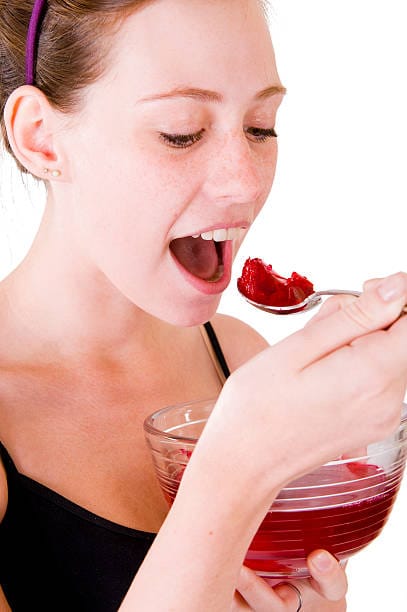
Low calorie jelly is available in many flavors, including strawberry, raspberry, lemon, orange, mango, peach, and tropical blends.
Low Calorie Jelly vs Regular Jelly
| Feature | Low Calorie Jelly | Traditional Jelly |
|---|---|---|
| Calories | Very low | High |
| Sugar Content | Low or zero | High |
| Weight Loss Friendly | Yes | Limited |
| Blood Sugar Impact | Lower | Higher |
| Diet Suitability | Excellent | Moderate |
Creative Ways to Eat Low Calorie Jelly
Layered Yogurt Desserts
Combine jelly with low-fat yogurt and berries to create colorful, nutrient-rich snacks.
Smoothies and Healthy Snacks
Adding small portions of jelly can enhance smoothie flavor without increasing sugar levels.
Fruit Salads and Parfaits
Mix jelly cubes into fresh fruit salads or layer them with granola and yogurt to create balanced breakfast parfaits.
Alcohol-Free Jelly Treats
Prepare fun jelly snacks using fruit juice instead of alcohol to create family-friendly desserts.
How to Make Homemade Low Calorie Jelly
Ingredients
- 3 cups water
- 1 tablespoon unflavored gelatin
- 1 cup sugar-free fruit juice
- Sweetener of choice
- Optional fruit pieces
Step-by-Step Instructions
- Sprinkle gelatin over half a cup of cold water and allow it to soften for five minutes.
- Heat the remaining water until simmering.
- Stir softened gelatin into hot water until dissolved.
- Add fruit juice and sweetener, adjusting flavor as desired.
- Add fruit pieces if preferred.
- Pour mixture into serving cups or molds.
- Refrigerate for four hours or until firm.
How Low Calorie Jelly Supports Different Diet Plans
Weight Loss Diets
Provides satisfying desserts while maintaining calorie deficits.
Diabetic-Friendly Diets
Sugar-free options may help reduce blood glucose spikes.
Low-Carbohydrate Diets
Many reduced-calorie jelly products contain minimal carbohydrates.
Plant-Based Diets
Vegan jelly options support plant-based eating patterns.
Tips for Choosing the Best Low Calorie Jelly
- Review nutrition labels for calorie and sugar content
- Choose products using natural sweeteners when possible
- Look for varieties containing real fruit ingredients
- Avoid excessive artificial additives or coloring
- Select vegan alternatives when following plant-based diets
Potential Downsides and Moderation Tips
While low calorie jelly is a healthier dessert alternative, moderation remains important. Some artificial sweeteners may cause digestive discomfort in sensitive individuals when consumed in large quantities. Choosing high-quality products and balancing desserts with whole foods supports overall nutrition.
Frequently Asked Questions About Low Calorie Jelly
Is low calorie jelly good for weight loss?
Yes. Reduced-calorie desserts help decrease daily calorie intake while allowing occasional sweet treats.
Is sugar-free jelly safe?
Most approved sweeteners are considered safe when consumed within recommended limits.
Can people with diabetes eat sugar-free jelly?
Many products are suitable, but ingredient labels should always be checked, and professional guidance may be helpful.
Are vegan jelly alternatives available?
Yes. Plant-based versions using agar or carrageenan are widely available.
Does low calorie jelly contain protein?
Gelatin-based versions contain small amounts of protein derived from collagen.
Understanding Calories in Healthy Desserts
If you are tracking calories for weight loss or healthy eating, understanding how desserts fit into your daily intake is essential. Light jelly desserts are among the easiest treats to include because they deliver sweetness with minimal calories compared to cakes, pastries, or ice cream.
If you want to better understand how desserts affect your daily intake, you can learn more about calorie guides and nutrition information.
Final Thoughts on Low Calorie Jelly
Low calorie jelly is a refreshing, flavorful, and diet-friendly dessert that fits easily into modern healthy eating plans. With multiple flavors, flexible recipe uses, and reduced sugar content, it offers a satisfying way to enjoy sweets while supporting wellness goals.
Whether enjoyed as a quick snack, layered dessert, or homemade recipe, this light treat provides a balanced option for anyone seeking healthier dessert alternatives.