

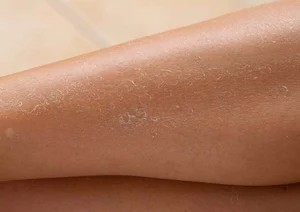
Dry skin on the legs is a common problem that affects people of all ages. While it may seem harmless, it can cause discomfort, itchiness, and even cracking if left untreated. Understanding what causes dry skin on the legs is the first step to prevention and treatment.
Skin dryness occurs when your skin loses moisture and natural oils, which help protect it. Legs are particularly prone to dryness because they often have less oil-producing glands than other parts of the body, making them more susceptible to environmental and lifestyle factors.
In this guide, we’ll explore the main causes of dry leg skin, how to prevent it, and effective ways to treat it, so you can maintain smooth, healthy legs year-round.
Common causes of dry skin on legs include:
- Cold weather
- Hot showers
- Harsh soaps
- Skin conditions like eczema
- Aging and dehydration
Environmental Factors That Cause Dry Skin on the Legs
1. Cold and Dry Weather
Winter is notorious for making skin dry and itchy. Low humidity levels in the air, combined with cold temperatures, strip your skin of its natural oils. This makes the legs particularly vulnerable to flakiness and rough texture.
Tip: Use a thick moisturizer daily during the colder months and consider using a humidifier indoors to maintain moisture levels in the air.
2. Hot Showers and Baths
Long, hot showers might feel relaxing, but they can worsen dryness. Hot water removes natural oils that protect the skin, leaving legs rough and dehydrated.
Tip: Opt for lukewarm water and limit your shower time to 10–15 minutes.
3. Air Conditioning and Heating
Climate control systems can lower humidity indoors, which accelerates water loss from your skin. Spending long hours in air-conditioned or heated rooms can leave your legs dry and tight.
Tip: Apply moisturizer after bathing and consider keeping a small humidifier in frequently used rooms.
4. Sun Exposure
Sun damage doesn’t just cause wrinkles—it can also dry out your skin. UV rays break down skin’s natural lipids, leading to dehydration.
Tip: Use sunscreen on exposed legs during prolonged outdoor activities, especially in summer.
Lifestyle and Skincare Habits That Contribute to Dry Legs
1. Harsh Soaps and Body Washes
Many cleansers contain alcohol or fragrances that strip skin oils, causing dryness. Using harsh soaps repeatedly on your legs can worsen the condition.
Tip: Choose gentle, fragrance-free cleansers or body washes that are formulated for dry skin.
2. Shaving Without Moisturizing
Shaving can remove the thin layer of oil on the skin and cause irritation. Dry legs are more prone to razor burn and inflammation if not moisturized afterward.
Tip: Always apply a moisturizer or a hydrating body lotion after shaving.
3. Wearing Tight Clothing
Tight pants or leggings create friction, which can aggravate dry skin. Constant rubbing can worsen flakiness and lead to irritation.
Tip: Wear breathable fabrics like cotton or loose-fitting clothing when possible.
4. Over-Exfoliation
While exfoliating removes dead skin cells, overdoing it can strip away natural oils and damage the skin barrier. This leaves legs drier than before.
Tip: Exfoliate gently, no more than once or twice a week, using mild scrubs or soft brushes.
5. Hot Yoga or Sweating
Activities that make you sweat heavily can temporarily dehydrate skin if not properly moisturized afterward. Sweat combined with friction from clothing may irritate dry skin.
Tip: Shower after heavy workouts and apply moisturizer to prevent dryness.
Medical and Skin Conditions That Cause Dry Skin on the Legs
Sometimes, dryness is not just about weather or habits—it may be linked to medical issues.

1. Eczema
Eczema (atopic dermatitis) is a chronic skin condition that causes dry, itchy, and inflamed patches. Legs are a common area for eczema flare-ups.
Tip: Use eczema-friendly moisturizers and consult a dermatologist if symptoms persist. How to eliminate dry skin for good read here, it helps to prevent the recurrence of extra-dry skin.
2. Psoriasis
Psoriasis causes thick, scaly patches that can appear on the legs. These areas are often dry, itchy, and prone to cracking.
Tip: Topical treatments recommended by dermatologists can help manage symptoms.
3. Diabetes
Diabetes can reduce the skin’s ability to retain moisture, especially in the lower extremities. Poor circulation may also exacerbate dryness and skin damage.
Tip: Regular moisturizing and monitoring blood sugar levels are important for prevention.
4. Thyroid Disorders
Hypothyroidism slows metabolism and reduces oil production in the skin, which can lead to dryness, particularly on the legs.
Tip: Consult your doctor for thyroid testing if you notice persistent dryness along with fatigue or other symptoms.
5. Aging Skin
As we age, oil production decreases naturally, making skin more prone to dryness and roughness.
Tip: Older adults should use richer moisturizers and protective creams daily.
Diet and Lifestyle Factors That Affect Leg Skin
Nutrition and daily habits can significantly impact your skin health.
- Hydration: Not drinking enough water can reduce skin moisture from the inside out.
- Diet: Lack of essential fatty acids (omega-3s) and vitamins (A, C, E) can make skin dry and flaky.
- Smoking: Nicotine reduces blood flow and damages skin elasticity, contributing to dryness.
- Alcohol Consumption: Alcohol is dehydrating and can worsen dry skin.
Tip: Drink plenty of water, eat a balanced diet rich in healthy fats and antioxidants, and reduce alcohol and smoking to support skin health.
How to Prevent Dry Skin on the Legs
Prevention is easier than treating severe dryness. Follow these daily habits:
- Moisturize daily – Apply cream or lotion after bathing to lock in moisture.
- Use gentle cleansers – Avoid harsh soaps and chemical-laden body washes.
- Limit hot showers – Lukewarm water is best.
- Exfoliate moderately – Once or twice a week to remove dead skin cells.
- Wear breathable clothing – Reduces friction and irritation.
- Protect from sun and cold – Sunscreen outdoors, and warm layers in winter.
- Use a humidifier indoors – Especially in winter months.
- Hydrate from the inside – Drink water and eat omega-3 rich foods.
Home Remedies for Dry Skin on Legs
Some natural remedies can help restore moisture and soothe dryness:
- Coconut Oil: Rich in fatty acids, it locks in moisture.
- Aloe Vera Gel: Hydrates and soothes irritation.
- Oatmeal Baths: Helps reduce itching and restores moisture.
- Honey: Natural humectant that attracts and retains water in the skin.
- Shea Butter or Cocoa Butter: Thick moisturizers that protect the skin barrier.
Tip: Apply these remedies after bathing when skin is slightly damp for maximum absorption.
When to See a Doctor
Seek professional help if:
- Skin cracks, bleeds, or shows signs of infection
- Dryness persists despite at-home care
- Severe itching or redness occurs
- You notice unusual rashes or swelling
A dermatologist can evaluate for underlying conditions and recommend targeted treatments.
Conclusion
Dry skin on the legs can develop due to environmental factors, lifestyle habits, aging, or underlying medical conditions. Identifying the root cause is essential for choosing the right treatment and prevention methods. Simple habits such as moisturizing regularly, avoiding harsh soaps, staying hydrated, and protecting your skin from extreme weather can significantly improve skin health. If dryness persists, worsens, or is accompanied by irritation or cracking, consulting a healthcare professional can help identify any underlying conditions and ensure proper treatment.
Frequently Asked Questions About Dry Skin on the Legs
Why are my legs dry even after moisturizing?
Dryness may occur if the moisturizer is not strong enough, applied incorrectly, or if underlying skin conditions like eczema or psoriasis are present.
Can dry skin on the legs be a sign of a health problem?
Yes. Persistent dryness may sometimes be linked to conditions such as diabetes, thyroid disorders, or chronic skin conditions.
How often should I moisturize dry legs?
Most dermatologists recommend moisturizing at least once daily, preferably after showering while the skin is still slightly damp.
What vitamin deficiency causes dry skin?
Low levels of vitamins A, C, D, or E and omega-3 fatty acids may contribute to skin dryness.
Medical Disclaimer
This article is for informational purposes only and is not intended to replace professional medical advice. Always consult a qualified healthcare provider for diagnosis or treatment of skin conditions.
About the Author
This article was written by a skincare researcher focused on evidence-based skin health, prevention, and treatment education.