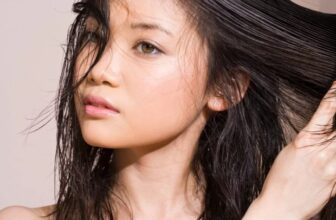

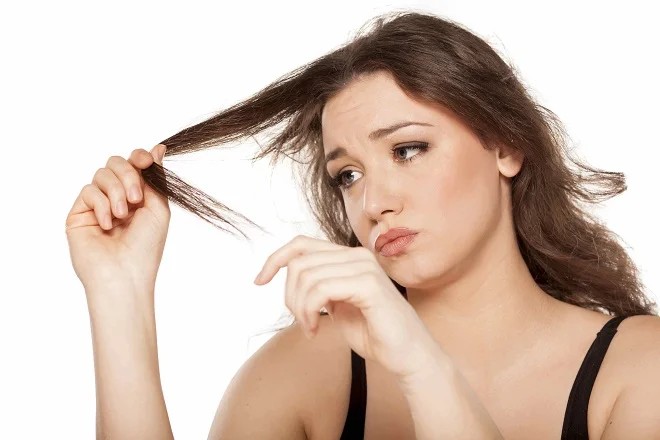
Dry hair is a common hair concern that affects people of all ages and hair types. It usually occurs when the outer protective layer of the hair becomes damaged, causing hair to lose moisture and flexibility while reducing natural shine. As a result, hair may appear dull, frizzy, brittle, and difficult to manage. People with naturally curly or textured hair are often more prone to dryness because natural scalp oils have a harder time traveling down the hair strands.
Common symptoms of dry hair include dullness, split ends, tangling, breakage, itchy scalp, and reduced hair flexibility. Understanding these signs is the first step in learning how to take care of dry hair naturally and restoring its healthy appearance.
The best way to take care of dry hair naturally is by using gentle cleansing methods, natural oils, deep conditioning treatments, proper hydration, and minimizing heat styling tools.
Why Is My Hair So Dry and Frizzy?
Dry and frizzy hair usually occurs when the hair lacks sufficient moisture and the protective outer layer, known as the cuticle, becomes rough or damaged. When the cuticle is lifted instead of lying flat, moisture escapes easily, causing hair to appear dull, rough, and difficult to manage.
Several factors can contribute to dry and frizzy hair, including genetics, environmental conditions, and daily hair care habits. People with curly or textured hair are often more prone to dryness because natural scalp oils have difficulty traveling evenly along the hair strands. Environmental factors such as sun exposure, wind, dry air, and pollution can also strip moisture from the hair and scalp.
In addition, frequent heat styling, chemical treatments, and washing hair too often can weaken the hair structure and reduce its natural hydration. Understanding these causes is essential when choosing natural remedies and developing a proper routine for maintaining healthy and moisturized hair.
What Are Extremely Dry Hair Causes?
Extremely dry hair can develop when the hair is unable to retain enough moisture or when the natural oils produced by the scalp are insufficient to nourish the hair strands. Several internal and external factors can contribute to severe dryness, and identifying the cause is essential for choosing the right natural treatment.
Common Causes of Extremely Dry Hair
Genetics and Hair Type
Some people naturally produce less scalp oil, making their hair more prone to dryness. Curly, coily, and textured hair types are especially vulnerable because natural oils have difficulty traveling down the hair shaft.
Overwashing Hair
Washing hair too frequently can strip away natural oils that protect and moisturize the hair, leaving it dry and fragile.
Use of Harsh Hair Products
Shampoos and styling products containing strong chemicals, sulfates, or alcohol can damage the hair cuticle and reduce moisture retention.
Excessive Heat Styling
Frequent use of blow dryers, curling irons, and flat irons can weaken hair proteins and cause moisture loss, leading to brittle and frizzy hair.
Environmental Exposure
Sunlight, wind, dry air, and pollution can gradually remove moisture from the hair and scalp, making hair rough and dull.
Poor Nutrition and Dehydration
A lack of essential nutrients such as vitamins, proteins, and healthy fats can negatively affect hair health. Inadequate water intake may also contribute to dryness.
Medical Conditions and Hormonal Changes
Certain health conditions, including thyroid imbalances and scalp disorders, can affect oil production and contribute to excessively dry hair.
High Hair Porosity
Hair with high porosity absorbs moisture quickly but loses it just as fast, making it more prone to dryness and damage.
Chlorinated Water Exposure
Swimming in chlorinated pools can strip natural oils from the hair, leading to dryness and damage over time.
Understanding these causes helps you develop an effective routine and choose the best natural methods to restore moisture and improve overall hair health.
Does Washing Your Hair Too Much Damage It?
Yes, washing your hair too frequently can contribute to dryness and damage, especially if harsh shampoos or hot water are used. The scalp naturally produces oils that help protect, moisturize, and strengthen hair. Washing too often can strip away these essential oils, leaving hair dry, brittle, and more prone to breakage.
Using very hot water can worsen the problem by drying out both the scalp and hair strands. It may also stimulate the scalp to produce excess oil, which can lead to an imbalance where hair feels oily at the roots but dry at the ends.
How Often Should You Wash Dry Hair?
Most hair experts recommend washing dry hair two to three times per week. This allows the scalp enough time to produce natural oils that help maintain moisture and improve hair texture.
Tips for Washing Dry Hair Safely
- Use lukewarm or cool water instead of hot water
- Choose gentle, sulfate-free shampoos
- Always apply conditioner after washing
- Avoid excessive scrubbing of the scalp
- Pat hair dry gently instead of rubbing with a towel
- Limit heat styling after washing
Following a proper washing routine can help maintain natural moisture levels and support healthier, shinier hair.
What Is Good for Dry Hair and How to Take Care of Dry Hair Naturally?
Taking care of dry hair naturally involves restoring moisture, protecting the hair cuticle, and maintaining healthy hair care habits. A consistent routine that includes gentle cleansing, proper hydration, balanced nutrition, and natural conditioning treatments can significantly improve hair texture and shine.
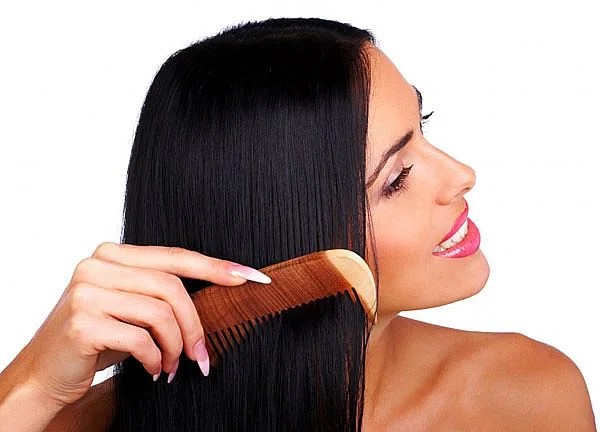
Gentle combing techniques, as shown above, help prevent breakage and support natural dry hair care.
1. Wash Hair Gently and Less Frequently
Washing dry hair too often removes natural oils that protect and nourish hair strands. Limiting washing allows the scalp to maintain its natural moisture balance.
Best washing practices for dry hair:
- Wash hair two to three times per week
- Use lukewarm or cool water
- Choose mild, sulfate-free shampoo
- Always apply conditioner after washing
- Avoid washing hair with very hot water
2. Use Wide-Tooth Combs and Gentle Styling
Dry hair is more fragile and prone to breakage, especially when wet. Gentle styling helps prevent unnecessary hair damage.
Safe combing and styling tips:
- Use a wide-tooth comb to detangle hair
- Avoid brushing wet hair aggressively
- Let hair air dry whenever possible
- Limit use of blow dryers and heat styling tools
- Choose wooden or soft bristle brushes
3. Maintain a Nutrient-Rich Diet
Healthy hair starts from within. Proper nutrition supports hair growth, moisture retention, and scalp health.
Nutrients that support healthy hair:
- Protein for hair strength
- Healthy fats for moisture balance
- Vitamins and minerals from fresh fruits and vegetables
- Adequate water intake to support hydration
4. Practice Healthy Lifestyle Habits
Stress and unhealthy habits can affect scalp health and contribute to dryness.
Helpful lifestyle tips:
- Manage stress through relaxation techniques
- Avoid smoking
- Maintain consistent sleep patterns
- Stay physically active
5. Protect Hair From Damage
Environmental and mechanical damage can worsen dry hair.
Protective hair care habits:
- Trim hair regularly to remove split ends
- Avoid overly tight hairstyles
- Use silk or satin pillowcases to reduce friction
- Protect hair from sun exposure by wearing hats or using protective products
6. Use Natural Remedies for Deep Moisture
Natural ingredients can help restore moisture and improve hair softness.
Effective natural remedies for dry hair include:
- Coconut oil for deep conditioning
- Olive oil for moisture retention
- Jojoba oil for scalp nourishment
- Apple cider vinegar rinse to improve shine and balance scalp pH
- Honey or yogurt hair masks for hydration and softness
Consistently using natural treatments can improve hair strength, shine, and overall manageability.
Frequently Asked Questions About Dry Hair Care
How often should you wash dry hair?
Dry hair should generally be washed two to three times per week. Washing too frequently can strip natural oils that protect and moisturize hair, making dryness worse.
Which natural oils are best for dry hair?
Some of the best natural oils for dry hair include coconut oil, argan oil, olive oil, and jojoba oil. These oils help moisturize hair, improve shine, and reduce breakage when used regularly.
Can dry hair be repaired naturally?
Yes, dry hair can often be improved naturally through deep conditioning treatments, natural oils, proper hydration, and minimizing heat styling. Consistent care can help restore moisture and strengthen hair over time.
Does drinking water help dry hair?
Proper hydration supports overall scalp and hair health. While drinking water alone will not instantly repair dry hair, it helps maintain moisture balance and supports healthy hair growth.
Is heat styling bad for dry hair?
Frequent use of blow dryers, curling irons, and straighteners can damage the hair cuticle and remove moisture. Limiting heat styling or using heat protection products can help prevent dryness and breakage.
Are natural hair masks effective for dry hair?
Yes, natural hair masks made from ingredients like honey, yogurt, avocado, or natural oils can deeply moisturize hair and improve softness and manageability.
Conclusion
Learning how to take care of dry hair naturally requires consistency, gentle hair care practices, and proper hydration. Dry hair often develops when moisture is lost due to environmental exposure, heat styling, or harsh hair products. Fortunately, simple lifestyle adjustments and natural remedies can help restore hair strength, softness, and shine.
By washing hair less frequently, using nourishing natural oils, maintaining a balanced diet, and protecting hair from heat and sun damage, you can significantly improve your hair’s overall health. Developing a regular hair care routine focused on moisture and protection will help prevent dryness and keep hair looking smooth and manageable.
Healthy hair does not happen overnight, but consistent natural dry hair care can gradually improve strength, moisture, and shine.
Choosing the right conditioning treatment depends on your hair type, dryness level, and personal hair care routine.
If your hair needs extra moisture support, deep conditioning treatments and professional hair masks can complement your natural routine and help repair damaged strands more effectively.
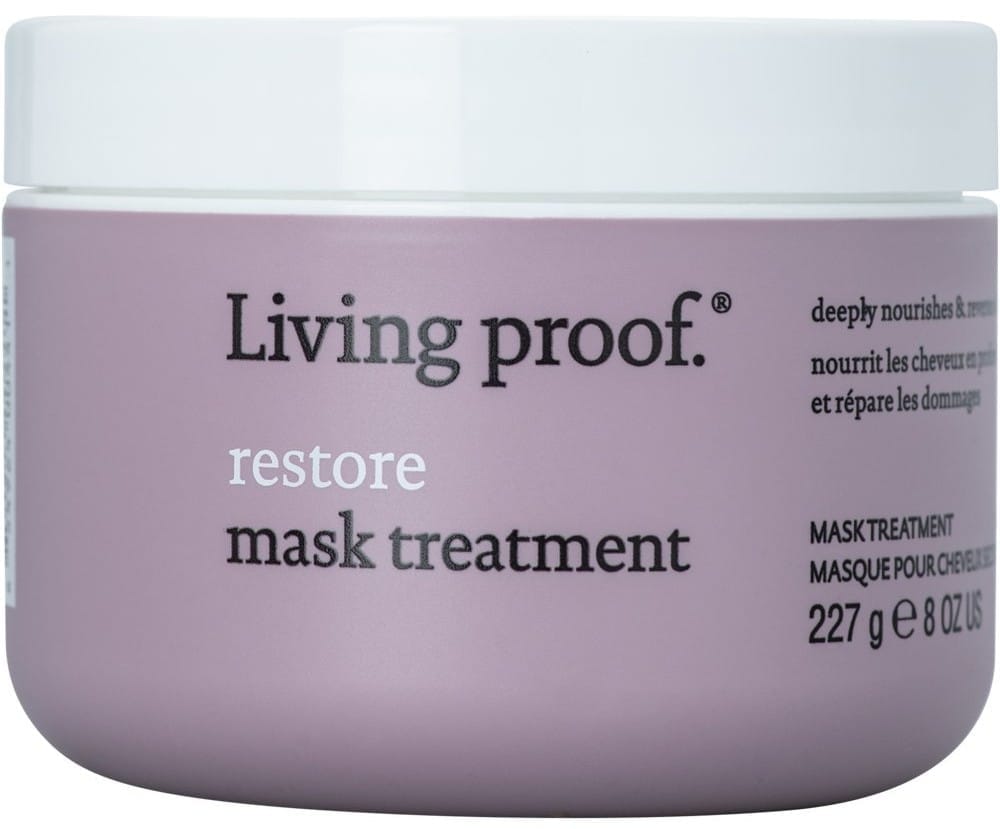
Deep conditioning treatments help restore moisture, strengthen damaged strands, and improve overall hair texture, especially for persistent dryness. One popular option is the Restore Mask Treatment, which is designed to nourish dry and damaged hair while improving softness, shine, and manageability.
This mask uses a patented Healthy Hair Molecule designed to help nourish each strand, which may improve hair strength, softness, and shine when used regularly.
Enriched with Meadowfoam seed oil and a biomimetic emollient blend, this treatment deeply restores moisture and helps defend against future damage. The formula is designed to help improve hair strength and reduce breakage while supporting long-lasting softness and smoothness. The treatment is formulated without parabens, phthalates, sulfates, or silicones and is suitable for color-treated and chemically processed hair.