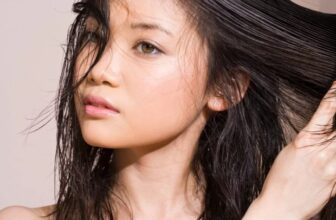


Admitting you need a serious dry and damaged hair care routine is often the first step toward recovery. Think of it as your hair staging a tiny, fibrous intervention. Are you a proud member of the Dry and Damaged Hair Club? Does running your fingers through your hair sometimes sound like stepping on crunchy autumn leaves? High five… gently. We definitely don’t want to cause any more breakage.
Moisture-depleted and structurally weakened hair is often caused by heat styling, chemical treatments, environmental stress, and improper hair routines. When hair loses moisture and the protective cuticle becomes damaged, strands can become frizzy, brittle, dull, and prone to split ends.
Repairing damaged hair can sometimes feel like a mission. At times, it may even feel like your hair is the enemy and you are the slightly bewildered, product-laden commando trying to restore order. The good news is that with the right routine and treatments, hair can regain strength, softness, and shine.
In this guide, you will learn what causes dry and damaged hair, how to repair and restore moisture, and the most effective routines and treatments to improve hair health. You can also explore more hair care routines and treatments in our complete hair care resource center.
Understanding Dry and Damaged Hair
This condition refers to hair that lacks moisture and has structural cuticle damage, which can cause breakage, frizz, thinning ends, and lack of shine.
While often used interchangeably, “dry” and “damaged” hair refer to slightly different, though frequently co-occurring, issues.
- Dry Hair: This primarily relates to a lack of moisture. Healthy hair has a natural lipid layer (sebum) that helps retain moisture and keep the cuticle (the hair’s outermost layer, made of overlapping scales) lying flat and smooth. Dry hair lacks sufficient moisture, either due to insufficient sebum production, environmental factors stripping moisture, or improper care that prevents moisture from entering or staying in the hair shaft. Dry hair tends to feel coarse, appears dull, and is more susceptible to frizz.
- Damaged Hair: This refers to structural changes within the hair shaft, specifically damage to the cuticle and potentially the inner cortex. When the cuticle layers are raised, damaged, or absent, the hair becomes prone to losing moisture and essential proteins. Damage is often caused by chemical processes, heat styling, and mechanical stress. Hair that is damaged frequently appears fragile, easily breaks, has split ends, and can feel coarse like straw.
Importantly, dry hair is at a greater risk of sustaining damage, while already damaged hair finds it challenging to hold onto moisture, leading to a harmful cycle. Addressing both aspects is key to restoration.
Hair is primarily made of keratin protein and protected by a cuticle layer that locks in moisture and nutrients. When the cuticle becomes damaged or lifted, hair loses its ability to retain moisture and becomes more vulnerable to breakage.
Signs You Have Dry or Damaged Hair
How can you tell if your hair needs some serious TLC? Here are some common signs:
- Lack of Shine: Hair with a healthy, smooth cuticle reflects light beautifully. Dry or damaged hair often looks dull and lackluster because the cuticle is raised.
- Rough Texture: Touch a hair with your fingertips. Does it feel rough, coarse, or brittle? Healthy hair feels smooth and soft.
- Excessive Frizz: When the cuticle is raised, hair absorbs moisture from the air, causing the strands to swell and frizz, especially in humid conditions.
- Split Ends: Damaged ends split into two or more strands, indicating that the hair shaft is breaking down.
- Breakage: Hair snapping off easily, either when brushing, styling, or even just running your fingers through it. You might find lots of short broken pieces around your hairline or shoulders.
- Tangling Easily: The lifted cuticle on dry/damaged hair causes strands to catch on each other, leading to more knots and tangles.
- Lack of Elasticity: Healthy hair can be stretched slightly when wet and will bounce back. Dry/damaged hair will stretch minimally or break easily when pulled. Examining this involves carefully stretching a moist strand.
- Color Fading Quickly: If you color your hair, damaged hair struggles to hold onto the pigment because its structure is compromised and porous.
- Hair Feels “Crunchy”: This is a sign of severe dryness and potentially protein overload if you’ve been using too many protein treatments without balancing moisture.
Recognizing these signs is the first crucial step toward giving your hair the help it needs.
Causes of Dry and Damaged Hair
Identifying the root cause of moisture loss or structural damage is essential to preventing further breakage. Causes can range from environmental factors to styling habits:
- Heat Styling: Excessive use of blow dryers, straighteners, and curling irons without adequate heat protection literally cooks the hair, lifting and cracking the cuticle and damaging the protein structure within the cortex. Heat styling tools can also weaken hydrogen and disulfide bonds inside the hair shaft, which are essential for hair strength and elasticity.
- Chemical Treatments: Dyeing, bleaching, perming, relaxing, and straightening treatments use harsh chemicals that break down the hair’s natural bonds and strip away its protective layers. Bleaching is particularly damaging.
- Environmental Factors: Exposure to sun (UV rays), wind, dry climates (especially indoors with heating/air conditioning), cold temperatures, and even hard water can strip moisture from the hair.
- Harsh Hair Products: Shampoos containing harsh sulfates (like Sodium Lauryl Sulfate or Sodium Laureth Sulfate) can be too effective at stripping away natural oils. Products with high alcohol content can also be drying.
- Lack of Conditioning: Not using conditioner, or using a conditioner that isn’t rich enough for your hair type, means you’re not replenishing essential moisture and smoothing the cuticle after washing.
- Over-Washing: Washing your hair too frequently strips away the natural, protective oils produced by your scalp.
- Mechanical Stress: Roughly brushing or toweling wet hair (which is more fragile), using tight hairstyles consistently, or using harsh hair ties can cause breakage.
- Poor Diet and Hydration: Your hair’s health is linked to your overall health. Lack of essential nutrients and not drinking enough water can show up in your hair’s condition.
- Certain Health Conditions: Sometimes, underlying health issues or medications can affect hair texture and moisture levels.
- Genetics: Some people are naturally prone to drier hair types.
Often, it’s a combination of these factors that contributes to dryness and damage. Dermatological research shows that repeated heat exposure weakens the hair cuticle, increases protein loss, and accelerates moisture evaporation over time.
Quick Guide: Treating Dry vs Damaged Hair
| Hair Problem | Main Cause | Best Treatment |
|---|---|---|
| Dry Hair | Lack of moisture and natural oils | Deep conditioning and hydrating masks |
| Heat-Damaged Hair | Frequent styling tools | Protein treatments and heat protection |
| Chemically Damaged Hair | Bleaching or coloring | Bond repair treatments and gentle care |
Choosing the right treatment depends on identifying whether your hair primarily lacks moisture, protein structure, or both.
Daily Dry and Damaged Hair Care Routine
Hair specialists often recommend combining hydration treatments with occasional protein treatments to maintain balanced hair strength and elasticity. Okay, now for the action plan! Establishing a steady, moderate routine is essential for rehabilitation. Sadly, your hair will not forgive one good mask and forget years of heat torture.
- Gentle Cleansing:
- Reduce Washing Frequency: Aim to wash your hair less often. Every 2-3 days, or even less if your scalp allows, is a good goal. This preserves natural oils.
- Use a Moisturizing Shampoo: Switch to sulfate-free or low-sulfate shampoos specifically formulated for dry or damaged hair. Search for terms like “nourishing,” “hydrating,” “moisturizing,” or “gentle.”
- Pay Attention to the Scalp: When shampooing, concentrate the product and scrubbing motion on your scalp, which is where oil and debris build up. Do not scrape the ends of your hair too hard; instead, let the suds wash down the lengths.
- Use Lukewarm Water: Moisture can be removed by hot water. Rinse with lukewarm or even cool water if you can tolerate it.
- Robust Conditioning:
- Condition Every Time: Never skip conditioner after shampooing. Apply it starting at the mid-lengths to the ends, avoiding the scalp that is oily (although dry hair needs hydration closer to the root as much).
- Leave-In Time: Let your regular conditioner sit for 1-3 minutes to allow it to penetrate.
- Deep Conditioning is Your Friend: Use a deep conditioner or hair mask at least once a week. These more potent treatments aid in moisture replenishment and more efficient damage restoration. Leave them on for 15-30 minutes (or as directed) and consider using heat (like wrapping your head in a warm towel) to help deeper penetration. Look for ingredients like shea butter, natural oils (argan, jojoba, coconut), glycerin, and ceramides.
- Consider Protein Treatments (with Caution): If your hair feels weak and snaps easily (high porosity test confirms this), a balanced protein treatment can help rebuild the hair structure. Too much protein may cause dry hair to become brittle. A strong moisturizing treatment should always follow a protein treatment. Use protein treatments occasionally (every 4–6 weeks) and monitor how your hair responds.
- Protection is Key:
- Leave-In Conditioner/Serum: After washing, apply a leave-in conditioner or a few drops of a nourishing hair oil (like argan or jojoba) to damp mid-lengths and ends. This provides constant moisture and protection throughout the day.
- Heat Protection Spray: ALWAYS use a heat protectant spray before using any heat styling tools (blow dryer, straightener, curling iron). This creates a barrier to minimize damage.
- Air Dry When Possible: Reduce reliance on blow dryers. Blot excess water gently with a microfiber towel or old cotton t-shirt (less friction than terrycloth) and allow your hair to air dry partially or fully.
- Low Heat Settings: If you must heat style, use the lowest effective temperature setting on your tools.
- Protect from the Elements: Wear a hat in strong sun, wind, or extreme cold.
- Silk or Satin Pillowcase: Cotton pillowcases may crack and frizz due to friction. Switching to silk or satin reduces drag on your hair while you sleep.
- Gentle Handling:
- Detangle Carefully: Use a wide-tooth comb or a brush designed for wet hair (like a Tangle Teezer) and start detangling from the ends, working your way up. Be patient and gentle.
- Avoid Tight Hairstyles: Constantly pulling your hair back in tight ponytails or buns can cause stress and breakage, especially around the hairline.
- Regular haircuts can prevent split ends from spreading up the hair shaft and causing further damage, but they cannot repair existing damage. Try to get a trim every 8–12 weeks, or as needed.
Natural Remedies for Dry and Damaged Hair
Mother Nature has some tricks up her sleeve. Here are a few DIY treatments to help bring your hair back to life:
- Coconut Oil: Slather it on like you’re about to hit the beach. Rinse the hair in the morning after letting it rest overnight for happy, lustrous hair.
- Honey: Combine honey and the oil of olives for a relaxing treatment. It’s moisturizing and will add shine—no sticky fingers, we promise!
- Avocado Mask: Mash up an avocado with a bit of olive oil, apply it to your hair, and let it sit for 30 minutes. Your hair will thank you later!
- Egg Yolk: Apply a few whisked egg yolks to wet hair. It’s full of protein and will help nourish those sad strands.
Lifestyle Adjustments for Healthier Hair
Your hair’s destiny isn’t just in the products you use; it’s also about how you live. Here are a few lifestyle tweaks:
- Hydrate: Drink water like it’s your new best friend. Hydration is key for healthy hair.
- Balanced Diet: Incorporate protein, fruits, and veggies into your meals. Omega-3 fatty acids – hello, salmon – are especially beneficial for hair health.
- Stress Control: Engage in activities that relieve stress (which include bubble baths and yoga). Stress can lead to hair loss and deterioration.
- Sleep Well: Aim for between seven and eight hours of sleeping. Your hair grows while you dream—so dream big!
Frequently Asked Questions About Dry and Damaged Hair Care
Can dry and damaged hair be repaired?
Severely compromised hair cannot be permanently repaired once the structure is broken, but proper hair care routines can significantly improve moisture, strength, and appearance while preventing further damage.
How long does it take to repair dry and damaged hair?
Hair improvement usually takes several weeks to months depending on damage severity, hair type, and consistency of treatments such as deep conditioning and protective styling.
Is oil good for dry and damaged hair?
Yes. Natural oils like argan, coconut, and jojoba oil help seal moisture, smooth cuticles, and improve shine. Oils work best when combined with moisturizing treatments.
How often should I wash dry and damaged hair?
Most experts recommend washing every 2–3 days or less to preserve natural scalp oils that protect and hydrate hair.
What is the biggest cause of hair damage?
Excessive heat styling, chemical treatments, and rough handling are the most common causes of hair damage.
Product Recommendations for Dry and Damaged Hair
Choosing products with hydrating and strengthening ingredients can significantly improve hair condition.
- Moisturizing Shampoo & Conditioner
Look for formulas containing natural oils, glycerin, ceramides, or shea butter, which help replenish moisture and smooth the cuticle. - Deep Conditioning Treatments
Bond-building treatments help repair internal hair structure and strengthen weakened strands. - Leave-In Conditioners
Provide continuous hydration, detangling benefits, and protection from environmental damage. - Hair Oils
Natural oils help seal moisture into the hair shaft, reduce frizz, and improve shine without weighing hair down.
In conclusion, with the right knowledge, patience, and a sprinkle of laughter, you can turn dry and damaged hair around with a consistent care routine. Remember, every hair saga comes with twists and turns. With proper treatments and smart product choices, weakened strands can gradually regain moisture, strength, and shine.
With these tips, your hair can get back on the road to recovery — without the scarecrow vibes. Happy hair days ahead!